
New Mexico refrigeration equipment planning views
These reviewed photographs rotate through refrigeration equipment relevant to planning in New Mexico. Use them to discuss the workload, utilities, access, placement, and servicing conditions; confirm the exact unit before committing to a rental.
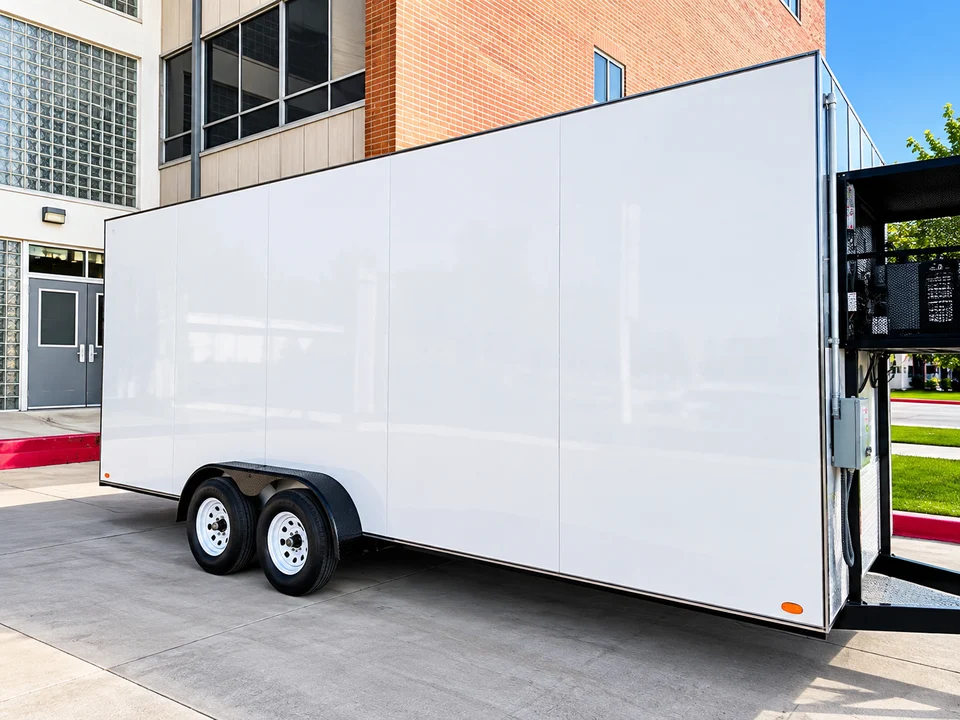
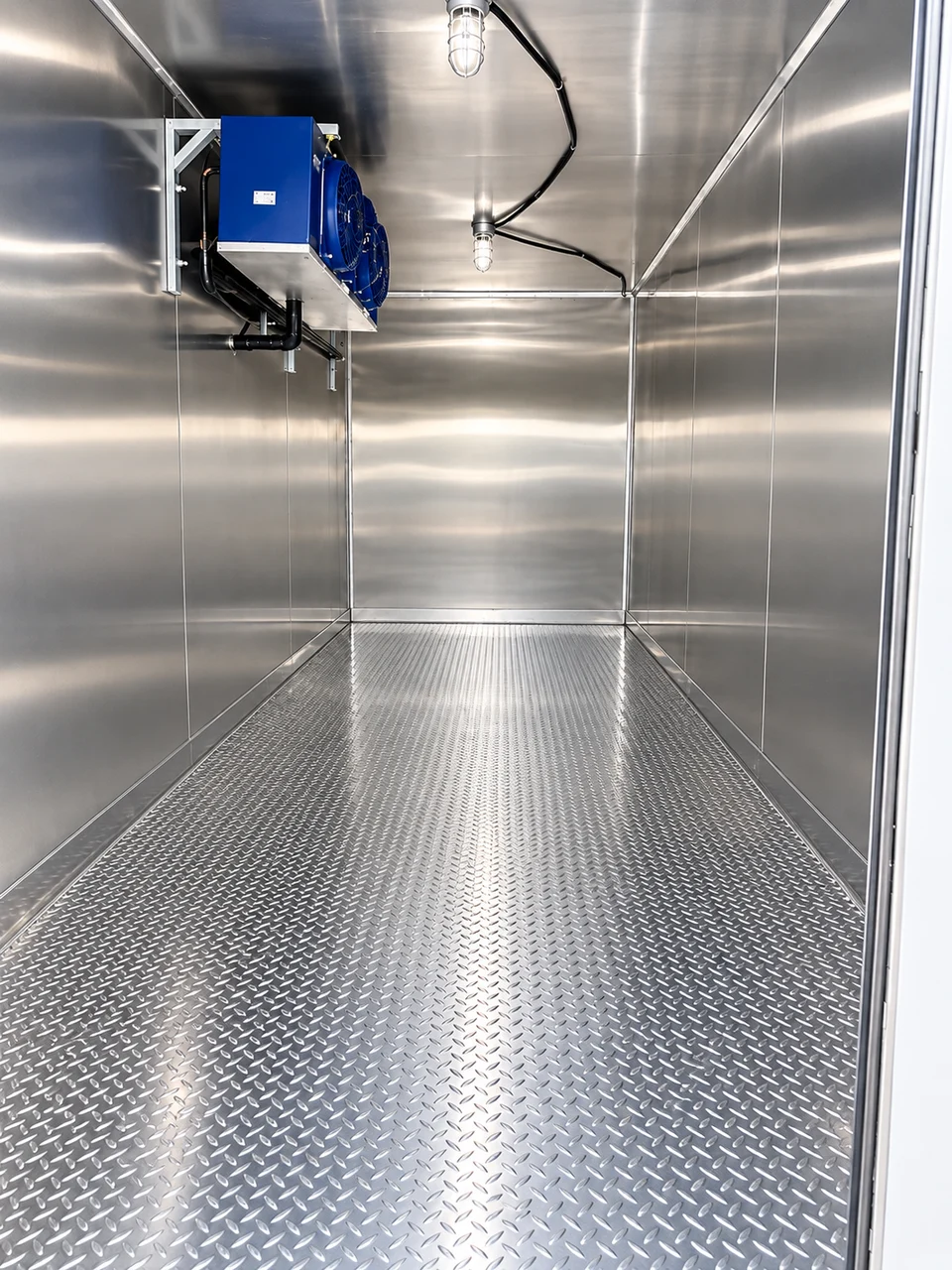
Review elevation, heat, and utility capacity
Plan portable refrigeration and mobile shower trailer rentals in New Mexico around refrigeration temperature, capacity, power, loading access, and monitoring, together with shower user count, privacy, accessibility, hot-water demand, freshwater, wastewater, and service access. The local planning focus is to review elevation, heat, and utility capacity before equipment selection.
Record the exact address, operating dates, delivery route, placement area, utility connections, normal-use responsibilities, servicing access, and return plan for the proposed rental.
- Refrigeration temperature, product load, power, and loading route
- Shower users, privacy, accessibility, and hot-water demand
- Freshwater, wastewater, monitoring, cleaning, and service access
Temporary refrigeration planning brief
Define the products to protect, required holding conditions, stock volume, transfer method, door-opening pattern, monitoring responsibility, and the period the temporary refrigeration equipment must remain in service.
- Required holding temperature and product load
- Available electrical supply and connection point
- Loading route, door cycles, and monitoring responsibility
Mobile shower planning brief
Estimate shower users by shift, identify privacy and accessible-use requirements, and plan freshwater, hot water, wastewater, cleaning, and servicing around the occupied site.
- Users per shift and accessible-use requirements
- Privacy, stall flow, and cleaning access
- Freshwater, hot water, wastewater, and servicing route
Utility, access, and responsibility check
Ask for the exact utility demand, connection method, clearance, servicing needs, and operating limits of the proposed refrigeration and shower trailers. Have the New Mexico site team compare those requirements with the intended positions and document who is responsible for each connection and routine check.
New Mexico delivery and site review
Confirm the proposed route, arrival window, turning and unloading space, occupied-site controls, and collection plan for the exact New Mexico address. A rental enquiry does not establish permits, equipment availability, delivery, setup, or response timing.
Before the proposed setup is confirmed
For this New Mexico enquiry, identify the function that must remain available, the people or workflow the facility will support, and the point in the schedule when each site detail must be settled. The final proposal should identify the selected equipment, rental period, included services, and site responsibilities.
Questions for this rental
What should a New Mexico portable refrigeration and mobile shower rental brief include?
Provide the exact project address, operating dates, expected workload, and the affected site function. Include refrigeration temperature, capacity, power, loading access, and monitoring, together with shower user count, privacy, accessibility, hot-water demand, freshwater, wastewater, and service access, plus delivery, placement, servicing, and collection constraints.
How are utilities and the final configuration confirmed?
The site team should compare the proposed unit's documented connection and clearance requirements with the intended position. The exact equipment, utility demand, included services, and responsibilities belong in the project-specific proposal.
Does 24/7 emergency support guarantee equipment or delivery timing?
No. The 24/7 line supports urgent project discussions. Equipment availability, configuration, delivery, setup, and response timing for a New Mexico project require confirmation before any commitment is made.