
Hawaii laundry facilities equipment planning views
These reviewed photographs rotate through laundry facilities equipment relevant to planning in Hawaii. Use them to discuss the workload, utilities, access, placement, and servicing conditions; confirm the exact unit before committing to a rental.
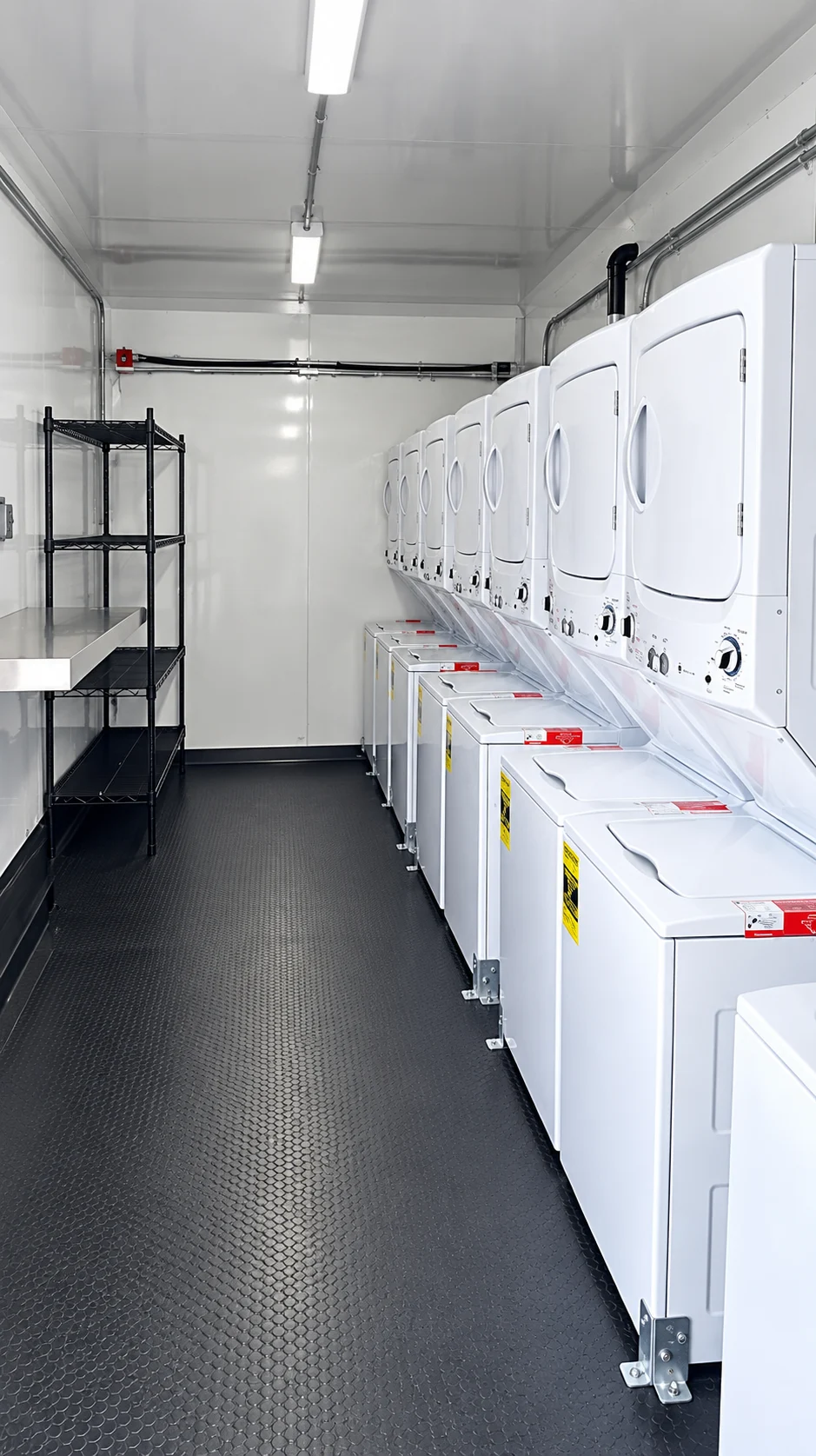
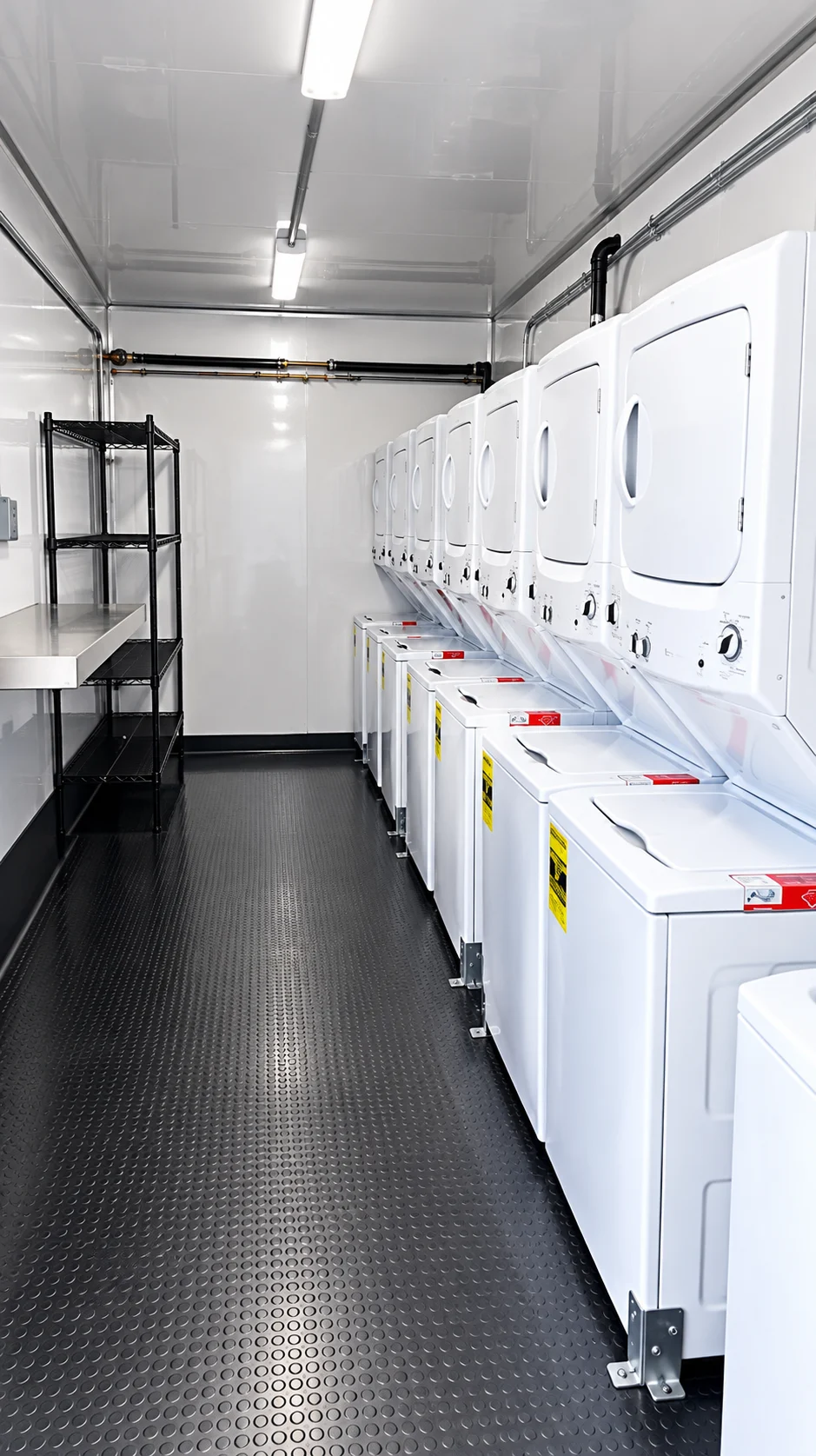
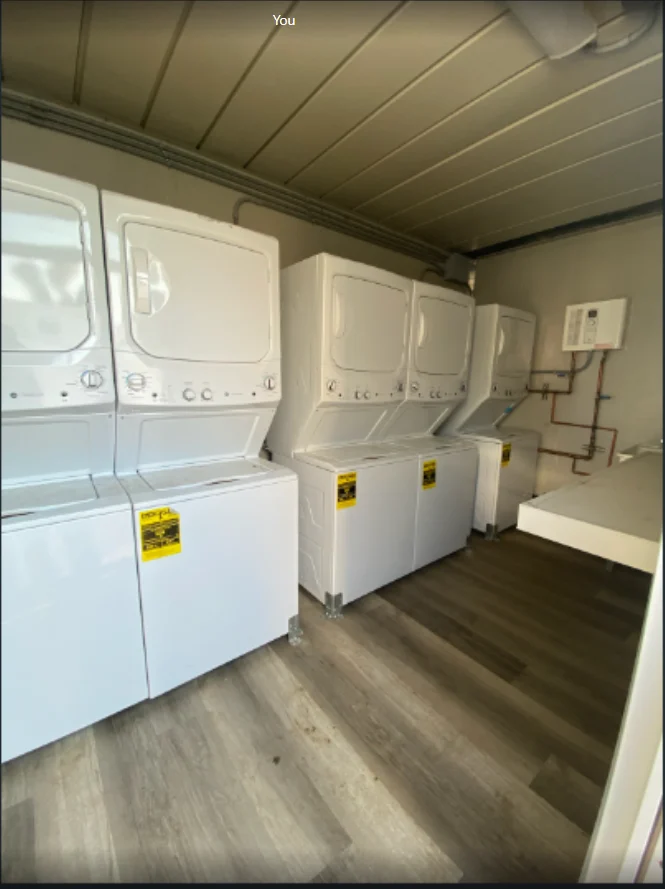
Linen volume and clean-to-used flow
For workforce laundry operations in Hawaii, begin with port-to-site transfer. Document linen volume, clean and used-textile routes, water supply, drainage, replenishment, and return logistics before selecting the facility.
Use the site review to answer one family-specific question: Which linen volume, used-to-clean route, water supply, drainage point, and replenishment schedule must the laundry support? Record the answer with setup, normal-use, service, and collection dates.
- Textile type and approximate daily load
- Collection and return schedule
- Sorting, washing, drying and storage workflow
The laundry facilities operating brief
Build a laundry rental brief around the material being washed, the daily load and the return time you need. Ordinary clothing, kitchen textiles and specialist workwear should not be treated as identical workloads.
- Textile type and approximate daily load
- Collection and return schedule
- Sorting, washing, drying and storage workflow
- Water, drain, power and ventilation needs
- Operators, consumables and machine-cleaning responsibilities
Connection and responsibility check
Ask for the actual washer, dryer, water, drainage and ventilation requirements. Check the proposed installation with the site team and identify who maintains the connections during use.
Hawaii island-specific road-movement review
Hawaii DOT lists separate oversized and overweight vehicle application contacts for Oahu, Maui County, Hawaii Island and Kauai. Identify the destination island and proposed State-highway route before arranging the final road movement. Its application guidance calls for vehicle dimensions, wheel arrangements and load distribution, so the carrier needs the actual loaded configuration rather than the facility name alone.
Coordinate this road review with receiving and unloading arrangements. Confirm any freight connection separately; an oversized-load road application does not establish freight availability, equipment availability or a delivery date.
- Destination island and final road route
- Loaded dimensions and wheel arrangement
- Load distribution and carrier application review
- Receiving, unloading and return-movement arrangements
Before the proposed setup is confirmed
For this Hawaii enquiry, record the answer to the site question: Who will receive the equipment and organize its final movement to the site? Identify the person who can verify the site details and the point in the schedule when they must be settled. The final proposal should identify the selected equipment and supporting services.
Questions for this rental
What should my Hawaii laundry brief record about receiving and final equipment movement?
Identify the receiving contact, unloading arrangements and the party responsible for moving equipment to its final position. Include a measured layout or photographs where useful. For the facility review, also provide textile type and approximate daily load; collection and return schedule.
What should the enquiry include?
Provide the exact project address and required operating dates. Describe the textile types and approximate daily laundry load. Identify who will operate the machines, provide consumables and handle machine cleaning. These details help define the equipment and service responsibilities for the proposal.
Can general rental laundry equipment be assumed suitable for specialist or contaminated textiles?
A general laundry rental must not be assumed suitable for healthcare linen, hazardous contamination or specialist protective clothing without a separately verified process and specification.