
Kansas sleeper and bunkbed facilities equipment planning views
These reviewed photographs rotate through sleeper and bunkbed facilities equipment relevant to planning in Kansas. Use them to discuss the workload, utilities, access, placement, and servicing conditions; confirm the exact unit before committing to a rental.
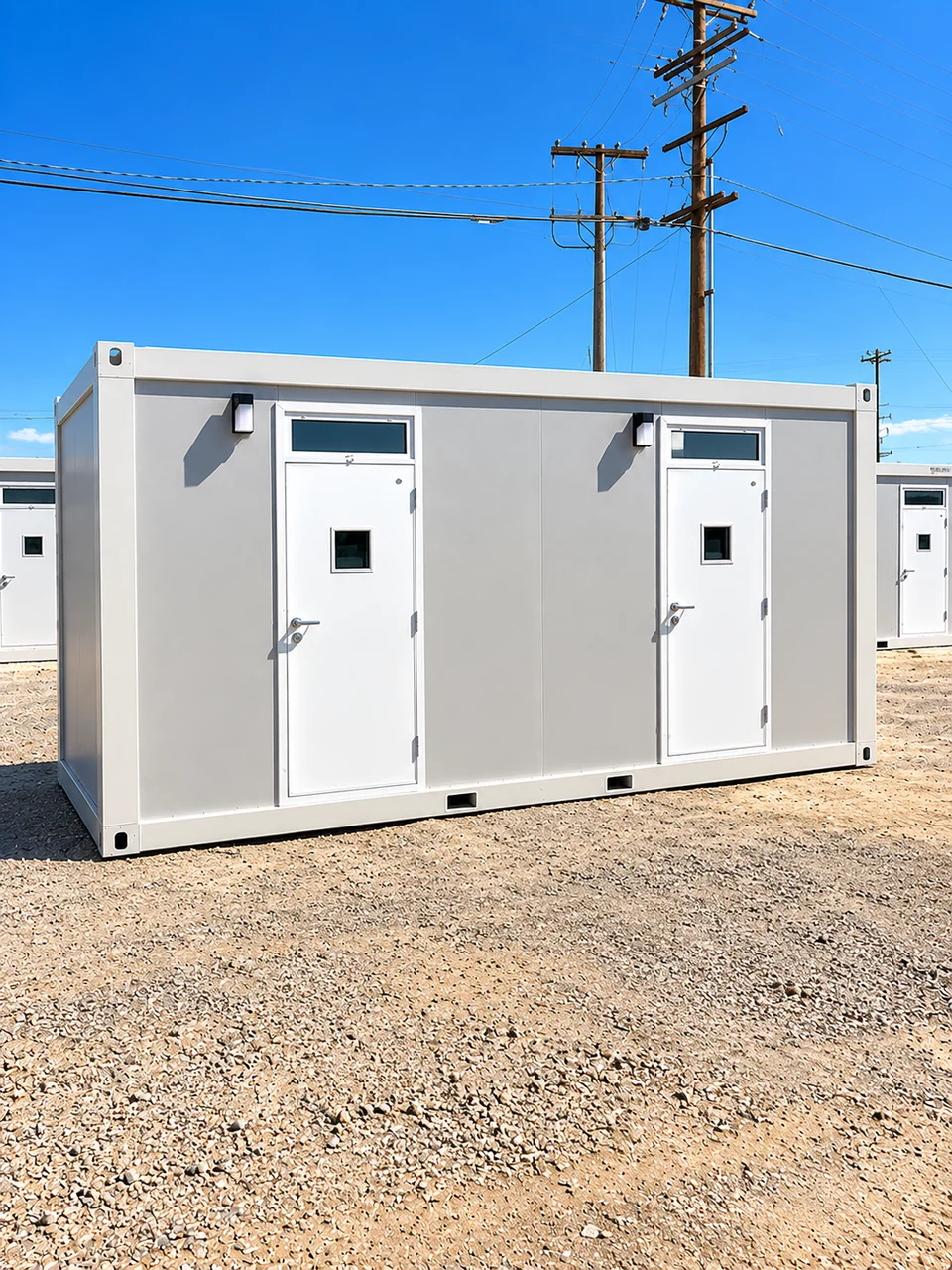
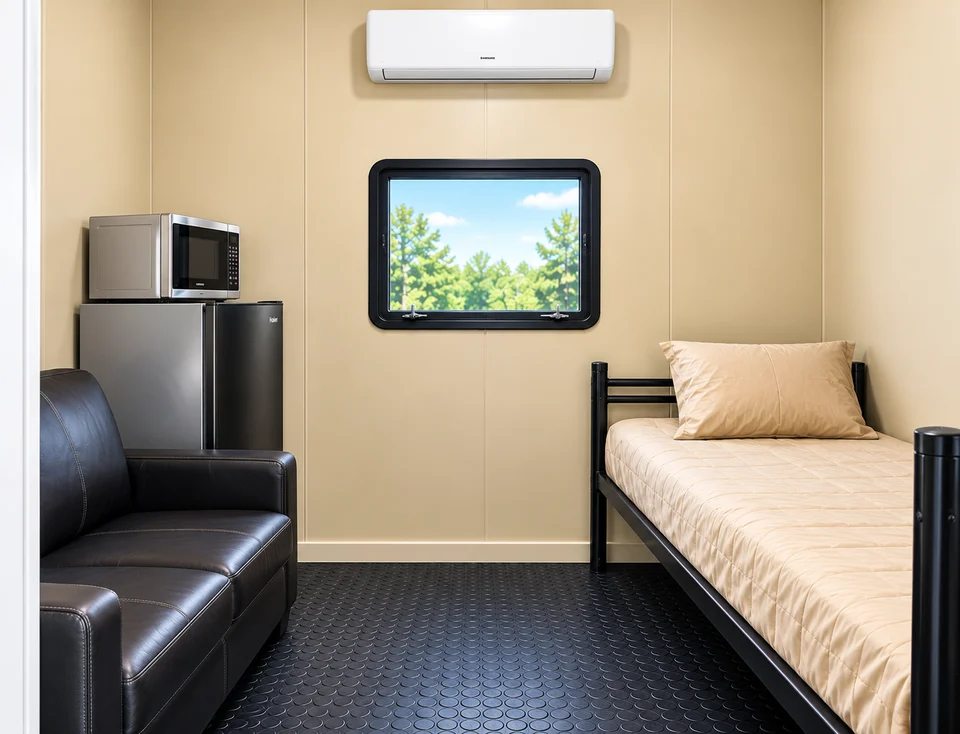
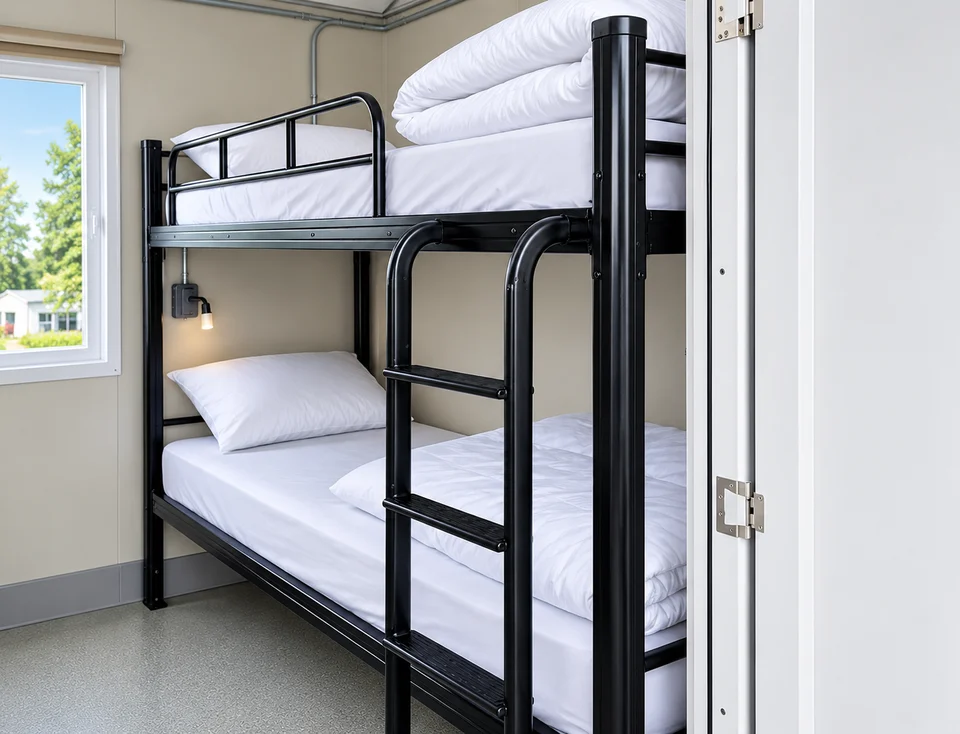
Occupancy, sleeping layout, and welfare
For temporary workforce accommodations in Kansas, begin with high-wind site readiness. Document occupancy by shift, sleeping layout, utilities, access, welfare support, and return logistics before selecting the facility.
Use the site review to answer one family-specific question: Which shift occupancy, bed layout, welfare spaces, utility connections, and access route must the sleeper unit support? Record the answer with setup, normal-use, service, and collection dates.
- Overnight occupants and shift pattern
- Room privacy and storage requirements
- Heating, cooling and electrical supply
The sleeper and bunkbed facilities operating brief
Plan temporary sleeping accommodation around the people staying overnight and their shift pattern. The required rental period should include occupancy changes, cleaning between groups and the eventual return to permanent accommodation.
- Overnight occupants and shift pattern
- Room privacy and storage requirements
- Heating, cooling and electrical supply
- Access to restrooms, showers and laundry
- Housekeeping, linen and site-management responsibilities
Connection and responsibility check
Request the selected accommodation unit’s electrical and environmental-control requirements. Confirm the connections and any separate welfare facilities needed for the planned stay.
Kansas sleeping-unit placement planning
KDOT identifies itself as responsible for oversize and overweight permitting and routing and directs carriers to the Kansas Truck Routing and Intelligent Permitting System, K-TRIPS. K-TRIPS is the state portal for ordering permits and managing permit accounts. Ask the carrier to review the actual loaded configuration and K-TRIPS route before committing the receiving team to an arrival window.
Review the proposed sleeping-unit position alongside occupant walking routes, emergency access and the agreed sanitation and meal arrangements. Confirm who checks connections and readiness before occupancy. The transport plan should identify the unit receiving point without treating road permission as approval of the sleeping layout.
- Loaded configuration reviewed through the applicable K-TRIPS process
- Permit route and final site approach confirmed before arrival
- Occupant routes and supporting-facility access
- Named readiness reviewer before occupancy
Before the proposed setup is confirmed
For this Kansas enquiry, record the answer to the site question: Who coordinates the final placement plan across all facilities? Identify the person who can verify the site details and the point in the schedule when they must be settled. The final proposal should identify the selected equipment and supporting services.
Questions for this rental
What should my Kansas sleeper brief record about placement coordination across facilities?
Name a placement coordinator and provide a combined plan showing facilities, access routes, connection points and installation sequence. Include a measured layout or photographs where useful. For the facility review, also provide overnight occupants and shift pattern; room privacy and storage requirements.
What should the enquiry include?
Provide the exact project address and required operating dates. Describe the number of overnight occupants and their shift patterns. Identify who will provide housekeeping and linen and manage the accommodation. These details help define the equipment and service responsibilities for the proposal.
Does a rental automatically include every supporting service?
Accommodation rental is not automatically a staffed lodging service. Occupancy, installed access and life-safety arrangements need review for the actual unit and location.