
Massachusetts restroom facilities equipment planning views
These reviewed photographs rotate through restroom facilities equipment relevant to planning in Massachusetts. Use them to discuss the workload, utilities, access, placement, and servicing conditions; confirm the exact unit before committing to a rental.
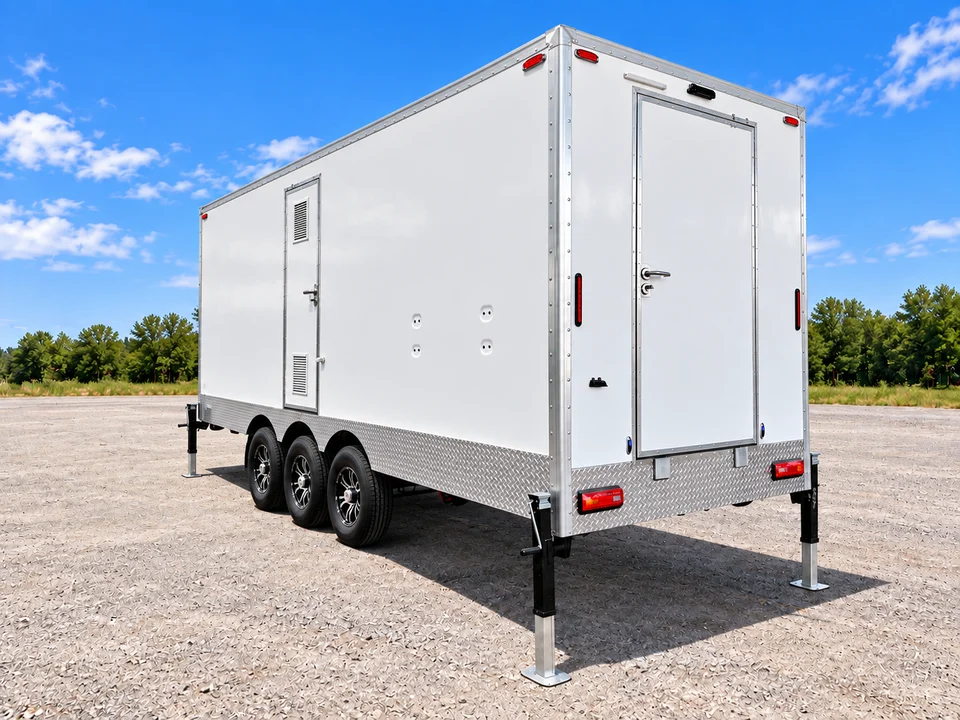
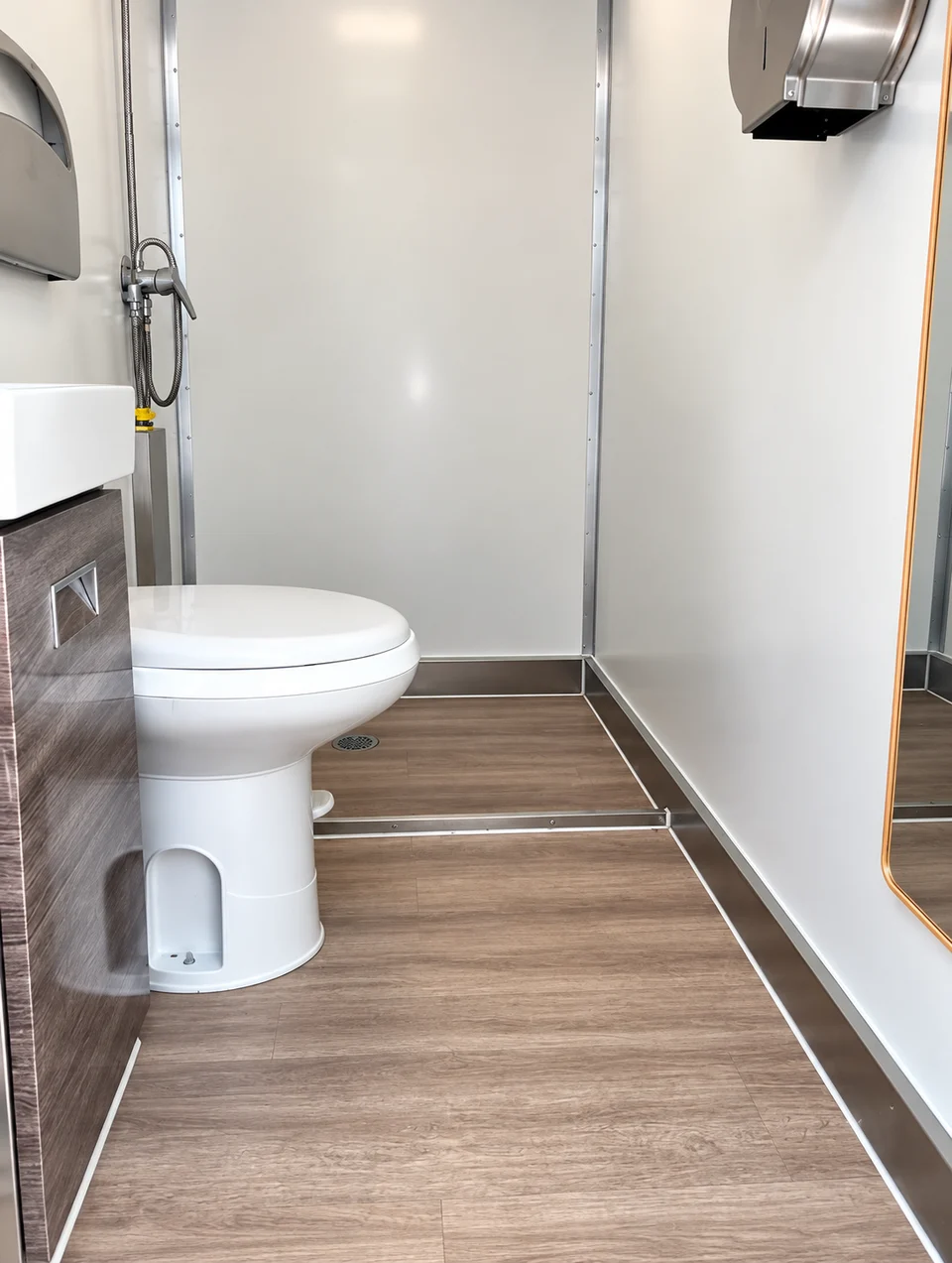
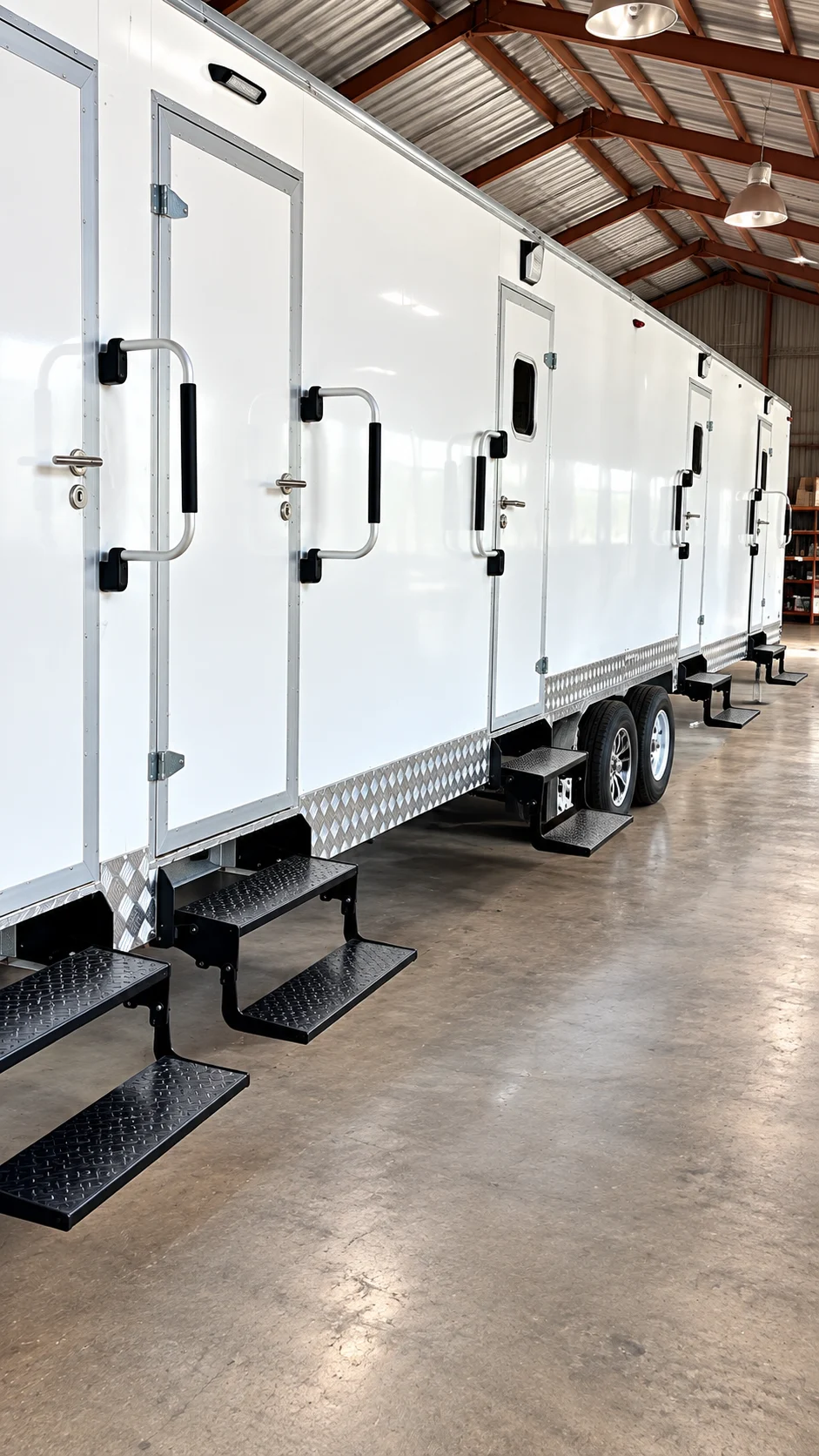
Users, accessibility, and waste service
For temporary site sanitation in Massachusetts, begin with tight-site and winter access. Document expected users, water supply, waste capacity, accessible routes, service access, and return logistics before selecting the equipment.
Use the site review to answer one family-specific question: Which user count, accessibility route, water source, waste capacity, and service schedule must the restroom support? Record the answer with setup, normal-use, service, and collection dates.
- Peak attendance and operating hours
- Existing facilities that remain available
- Fixture configuration and access requirements
The restroom facilities operating brief
Describe when people will use the temporary restrooms and which permanent facilities remain available. A renovation, a work shift and a public event create different queueing and servicing needs even when the attendance totals match.
- Peak attendance and operating hours
- Existing facilities that remain available
- Fixture configuration and access requirements
- Cleaning, supplies and servicing access
- Water and wastewater arrangements
Connection and responsibility check
Confirm whether the selected facility needs connected water, power and sewer access or planned tank servicing. Keep connection points reachable after barriers and walkways are installed.
Massachusetts restroom servicing access planning
MassDOT requires special permits when a truck exceeds applicable legal size or weight limits and provides the OASIS permitting and routing application. Its Truck Check tools cover commercial permit questions, height clearances, tunnels and restricted routes. Ask the carrier to review the loaded configuration and proposed approach before the receiving window is confirmed.
Choose the proposed restroom position with both user access and routine servicing in mind. Record who manages cleaning, supplies and waste removal, and check that service vehicles can still reach the unit once normal site traffic resumes. Resolve the access arrangement before confirming placement.
- Loaded configuration reviewed through the applicable permit process
- Height clearances, tunnels and restricted approaches checked
- User access during normal site operations
- Reachable service position and named servicing contacts
Before the proposed setup is confirmed
For this Massachusetts enquiry, record the answer to the site question: Where can people and supplies move once the unit is in its final position? Identify the person who can verify the site details and the point in the schedule when they must be settled. The final proposal should identify the selected equipment and supporting services.
Questions for this rental
What should my Massachusetts restroom brief record about personnel and supply routes around the installed unit?
Show clear personnel and supply routes around the installed unit, including doors, service points and neighboring activities. Include a measured layout or photographs where useful. For the facility review, also provide peak attendance and operating hours; existing facilities that remain available.
What should the enquiry include?
Provide the exact project address and required operating dates. Describe peak attendance and operating hours. Explain the proposed water supply, wastewater arrangements and who will manage servicing. These details help define the equipment and service responsibilities for the proposal.
Does an accessible restroom description establish accessibility of the whole installed route?
An accessible product description is not evidence that the whole installed route is accessible. Review both the chosen configuration and the proposed site approach.