
New Mexico shower and restroom combinations equipment planning views
These reviewed photographs rotate through shower and restroom combinations equipment relevant to planning in New Mexico. Use them to discuss the workload, utilities, access, placement, and servicing conditions; confirm the exact unit before committing to a rental.
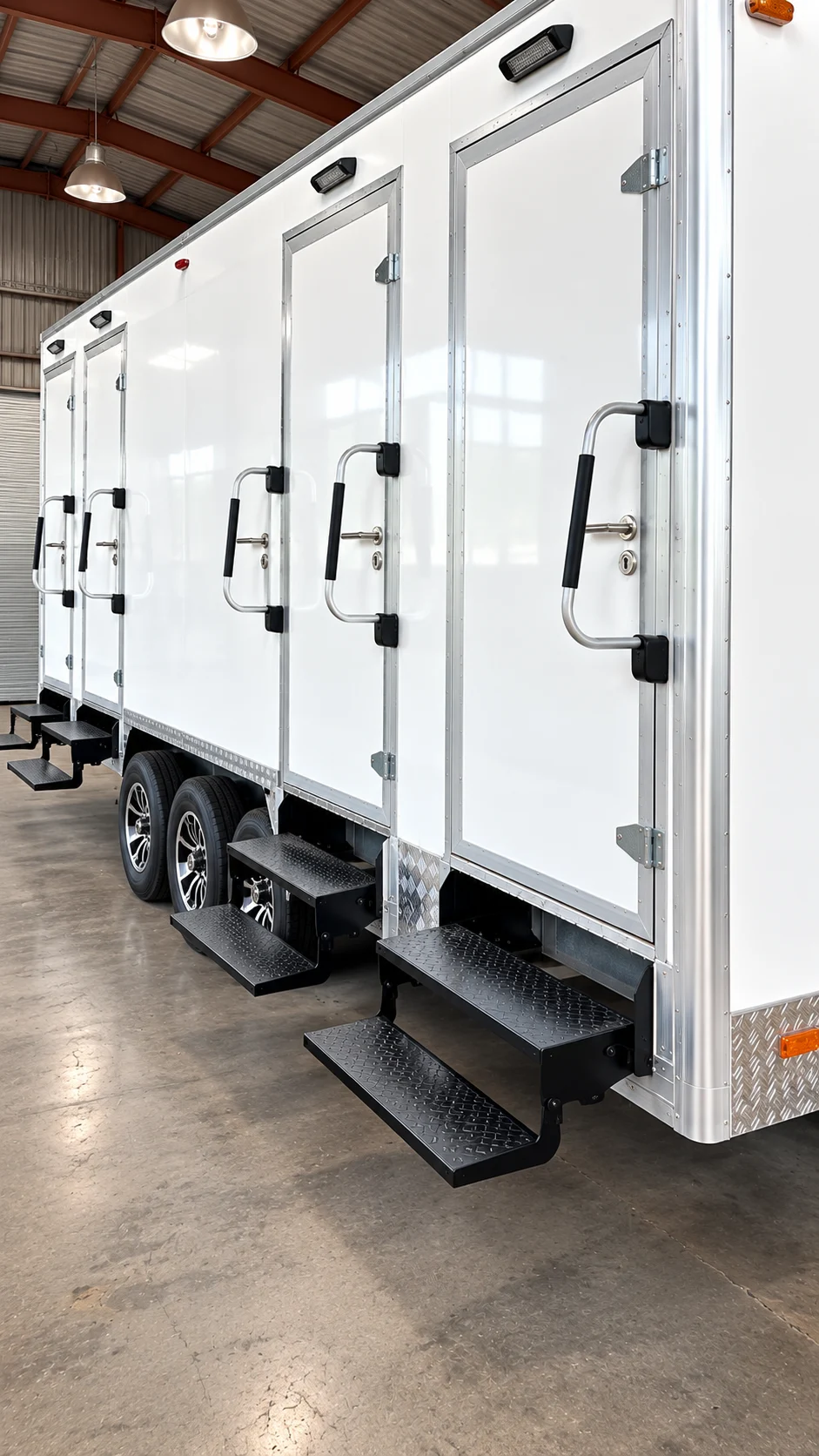
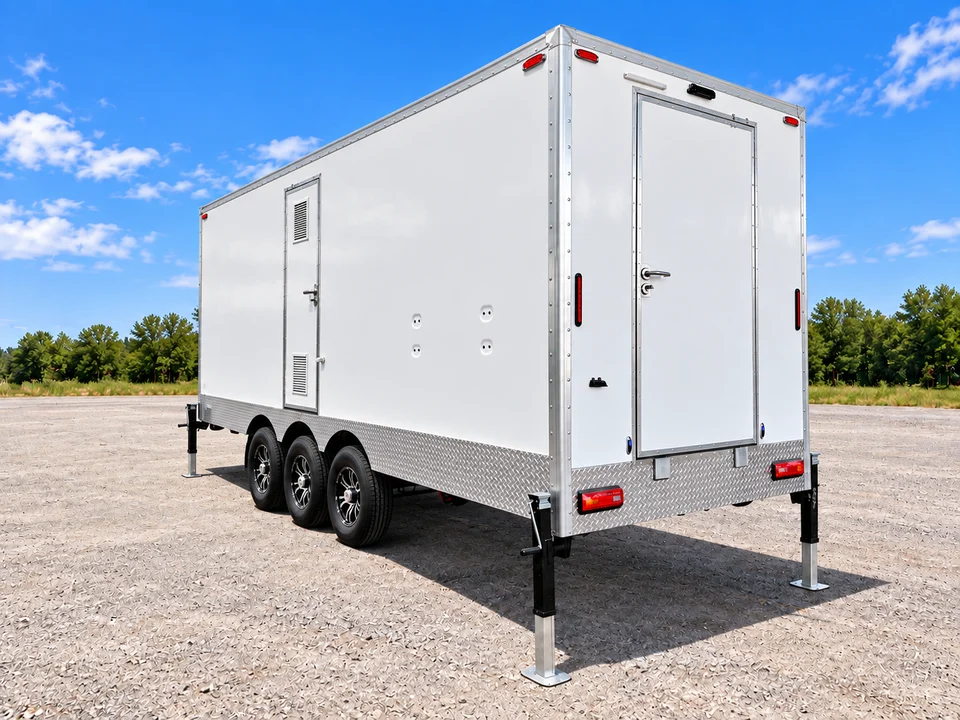
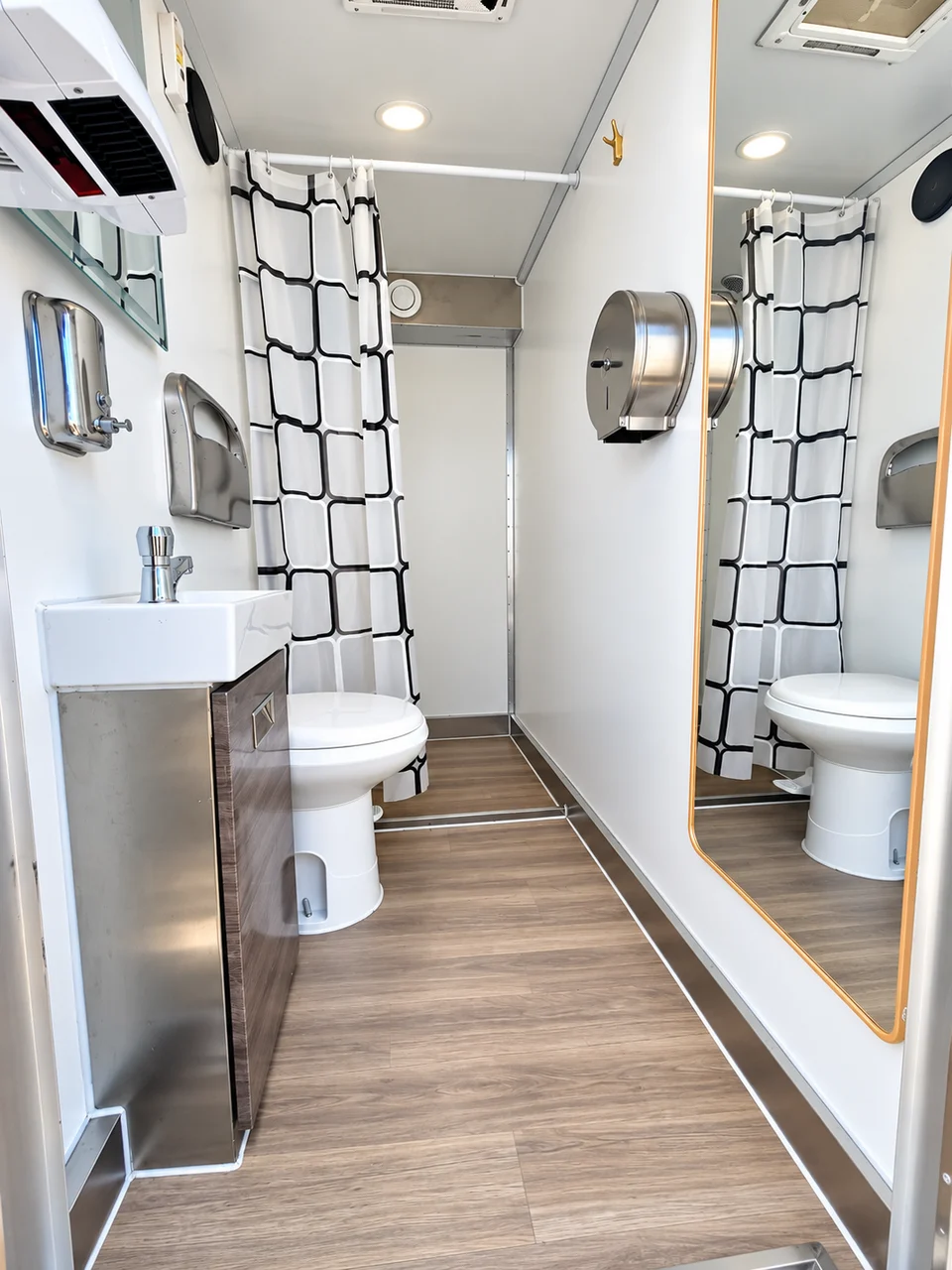
Combined users, water, waste, and drainage
For workforce hygiene and sanitation in New Mexico, begin with heat, elevation, and remote access. Document expected users, water and hot-water demand, waste capacity, drainage, service access, and return logistics before selecting the equipment.
Use the site review to answer one family-specific question: Which user count, water and hot-water demand, waste capacity, drainage point, and service route must the combined facility support? Record the answer with setup, normal-use, service, and collection dates.
- Separate shower and toilet demand by time period
- Room layout and privacy needs
- Accessible route and required configuration
The shower and restroom combinations operating brief
A combined facility can bring bathing and toilet access into one rental plan. Describe how the two uses overlap during the day; a crew finishing a shift may create a different demand pattern from a daytime event.
- Separate shower and toilet demand by time period
- Room layout and privacy needs
- Accessible route and required configuration
- Water supply, water heating and wastewater plan
- Cleaning and replenishment between busy periods
Connection and responsibility check
Review the combined demand for water, heating, drainage and electricity with the selected unit specification. Identify who provides connections and who services any storage tanks.
Before the proposed setup is confirmed
For this New Mexico enquiry, record the answer to the site question: Which supporting services must be arranged before equipment can operate? Identify the person who can verify the site details and the point in the schedule when they must be settled. The final proposal should identify the selected equipment and supporting services.
New Mexico combined-facility placement planning
New Mexico's size-and-weight rule requires a valid special permit before a vehicle, combination or load above statutory limits moves on a public highway or street, unless an exemption applies. The rule also requires the permit before an over-limit movement enters New Mexico and allows route-specific conditions. Ask the carrier to confirm the loaded dimensions and weight, permit, route and current operating conditions before arrival.
Review the proposed combined unit as both a bathing and a toilet facility. Identify user entrances, privacy arrangements and the separate access needed for cleaning and waste servicing. Agree the connection and servicing responsibilities before opening either function to users.
- New Mexico special-permit need and loaded configuration reviewed
- Permitted route and current operating conditions checked
- User privacy and access for both functions
- Cleaning and waste-service approach after placement
Questions for this rental
What should my New Mexico restroom shower trailers brief record about supporting services and readiness dates?
List the required connections, transport, placement and operating support, with a responsible party and readiness date for each. Include a measured layout or photographs where useful. For the facility review, also provide separate shower and toilet demand by time period; room layout and privacy needs.
What should the enquiry include?
Provide the exact project address and required operating dates. Describe shower and toilet demand separately for each busy period. Identify who will handle cleaning and replenish supplies between those periods. These details help define the equipment and service responsibilities for the proposal.
What can the combined shower and restroom category tell me about the actual configuration?
A combined facility is distinct from shower-only and restroom-only equipment. Do not infer accessible dimensions, fixture counts or utility independence from the category name.