
New York basecamp support equipment planning views
These reviewed photographs rotate through basecamp support equipment relevant to planning in New York. Use them to discuss the workload, utilities, access, placement, and servicing conditions; confirm the exact unit before committing to a rental.
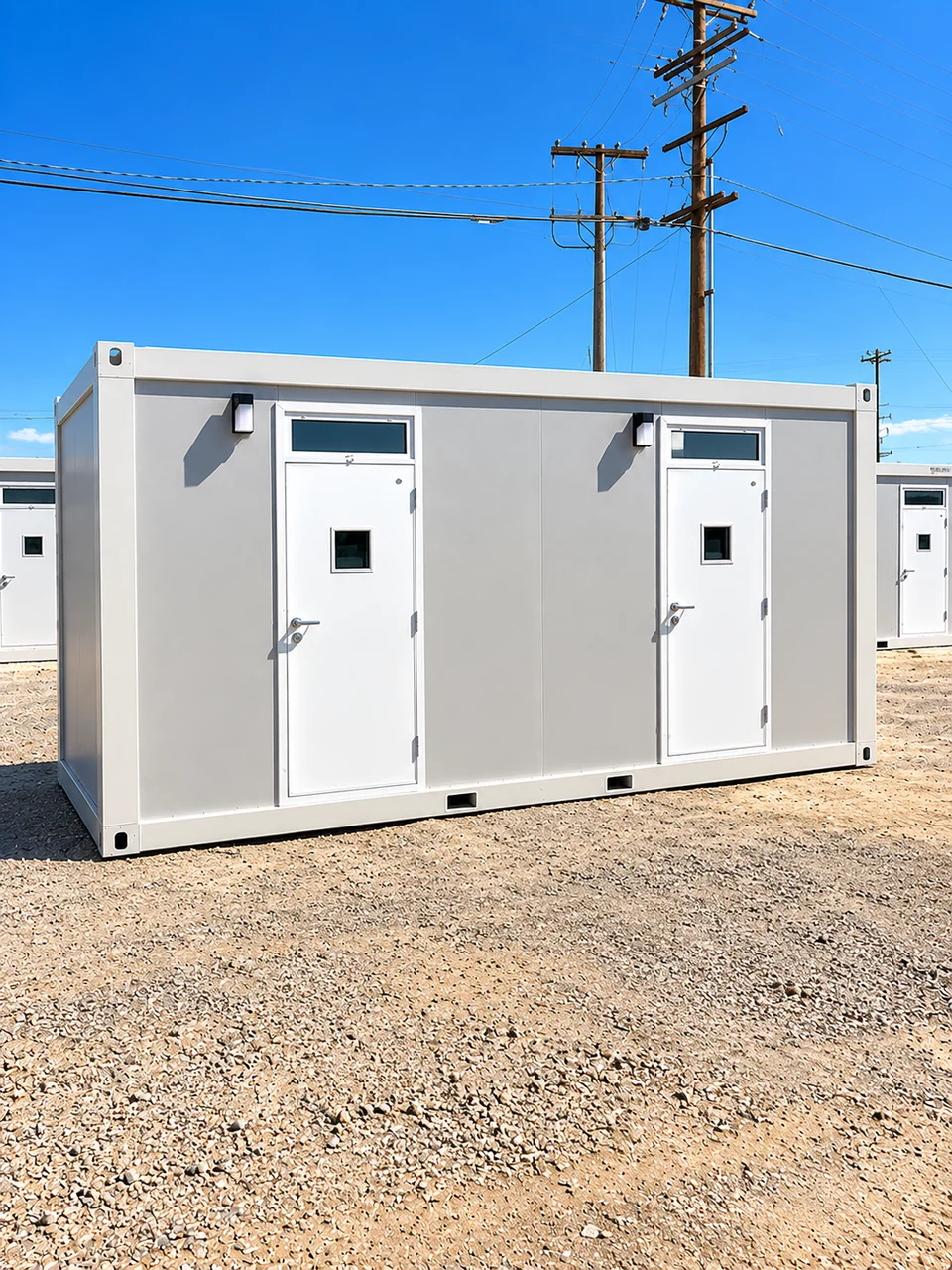
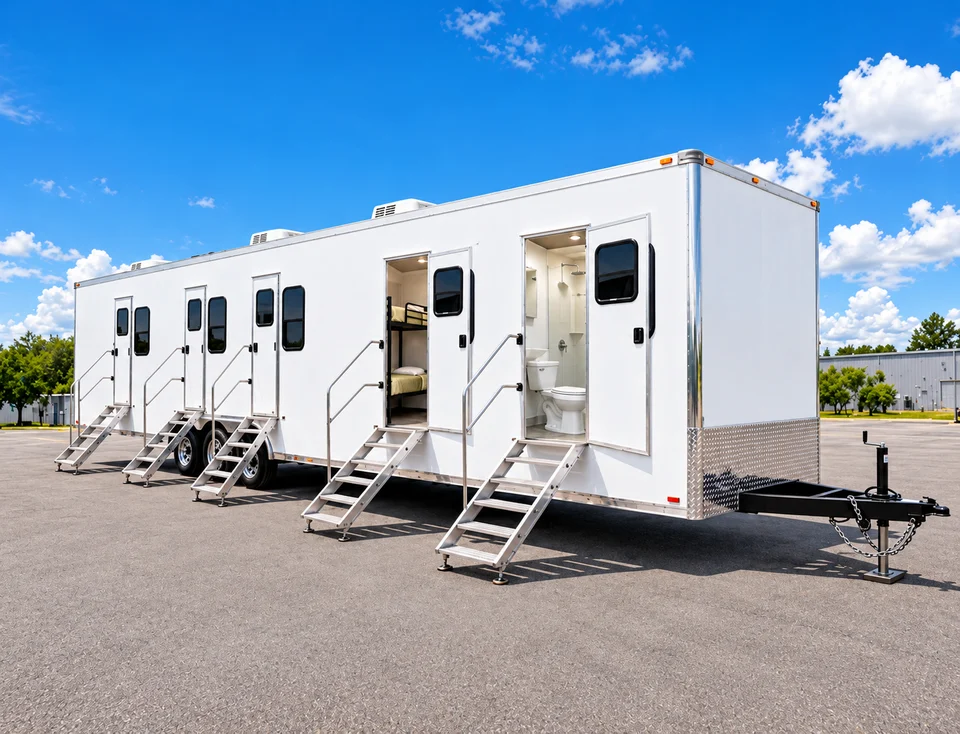
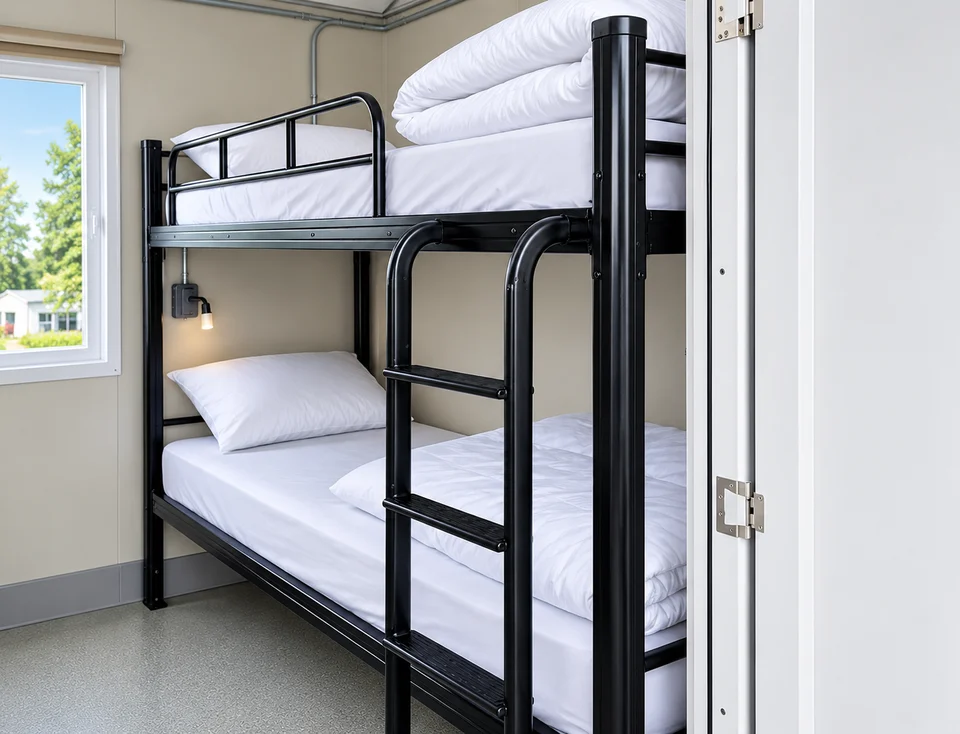
Crew functions, utilities, and support services
For remote project support in New York, begin with city and upstate delivery constraints. Document crew size, operating functions, utilities, last-mile access, support-service responsibilities, and return logistics before selecting the modular building.
Use the site review to answer one family-specific question: Which crew size, operating functions, utility connections, last-mile route, and support responsibilities must the basecamp support? Record the answer with setup, normal-use, service, and collection dates.
- Mission, operating hours and occupancy
- Priority functions and installation order
- Personnel, delivery and service routes
The basecamp support operating brief
Describe the mission, operating period and people the temporary basecamp must support. The rental brief should distinguish a daytime support area from an overnight camp and identify which functions need to operate first.
- Mission, operating hours and occupancy
- Priority functions and installation order
- Personnel, delivery and service routes
- Utilities, replenishment and waste handling
- Operating responsibility and removal sequence
Connection and responsibility check
Use a shared site plan showing the proposed facility positions and utility corridors. Have the responsible professionals review supply, connections and operating access for each unit.
New York basecamp delivery planning
NYSDOT provides special-hauling permits for vehicles or loads that exceed legal dimensions or weights on state highways. If the route enters New York City, ask the carrier to review NYC DOT truck routes and any applicable over-dimensional permit requirements for both arrival and departure. Give the carrier the actual receiving entrance, not just the campus address.
Specify receiving points for the proposed basecamp components and keep their unloading sequence separate from daily site traffic. Assign a site coordinator to review placement and connections; the transport route ends at a receiving point, while the camp setup continues beyond it.
- Exact New York receiving entrance and collection exit
- Carrier review of state and, where applicable, NYC routing requirements
- Component placement and delivery sequence
- Readiness checks for each agreed camp function
Before the proposed setup is confirmed
For this New York enquiry, record the answer to the site question: Which entrance and receiving contact should be used for this particular installation? Identify the person who can verify the site details and the point in the schedule when they must be settled. The final proposal should identify the selected equipment and supporting services.
Questions for this rental
What should my New York temporary facilities brief record about the installation entrance and receiving contact?
Provide the exact installation entrance and receiving contact, including an alternative contact and any arrival instructions specific to that entrance. Include a measured layout or photographs where useful. For the facility review, also provide mission, operating hours and occupancy; priority functions and installation order.
What should the enquiry include?
Provide the exact project address and required operating dates. Describe the operation, working hours and occupancy. Identify who will operate each facility and explain the intended removal sequence. These details help define the equipment and service responsibilities for the proposal.
Does a rental automatically include every supporting service?
A basecamp equipment proposal is not a guarantee of a fully staffed operation. Confirm the exact facilities, services, permits and responsibilities before deployment.