Ohio commercial kitchens equipment planning views
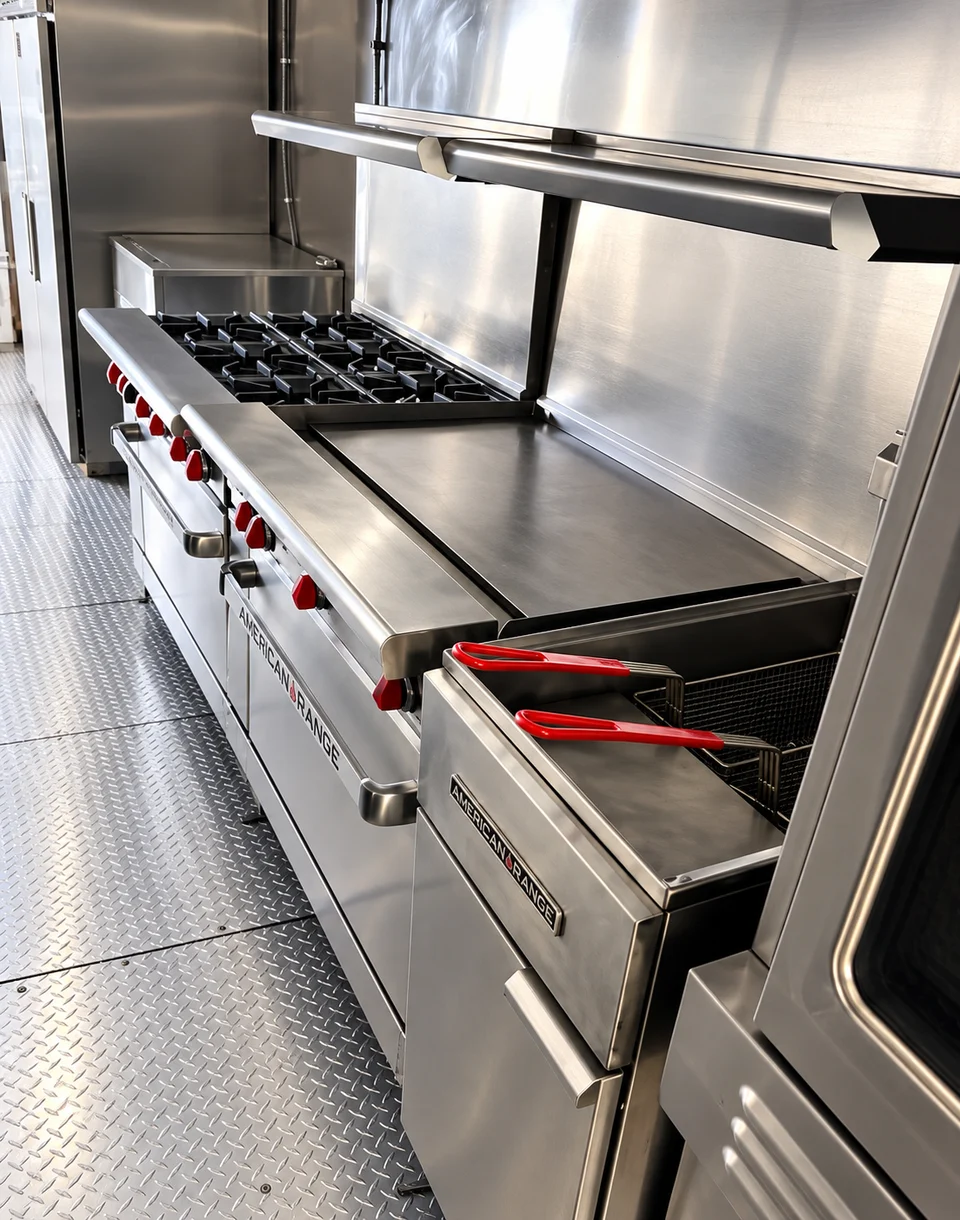
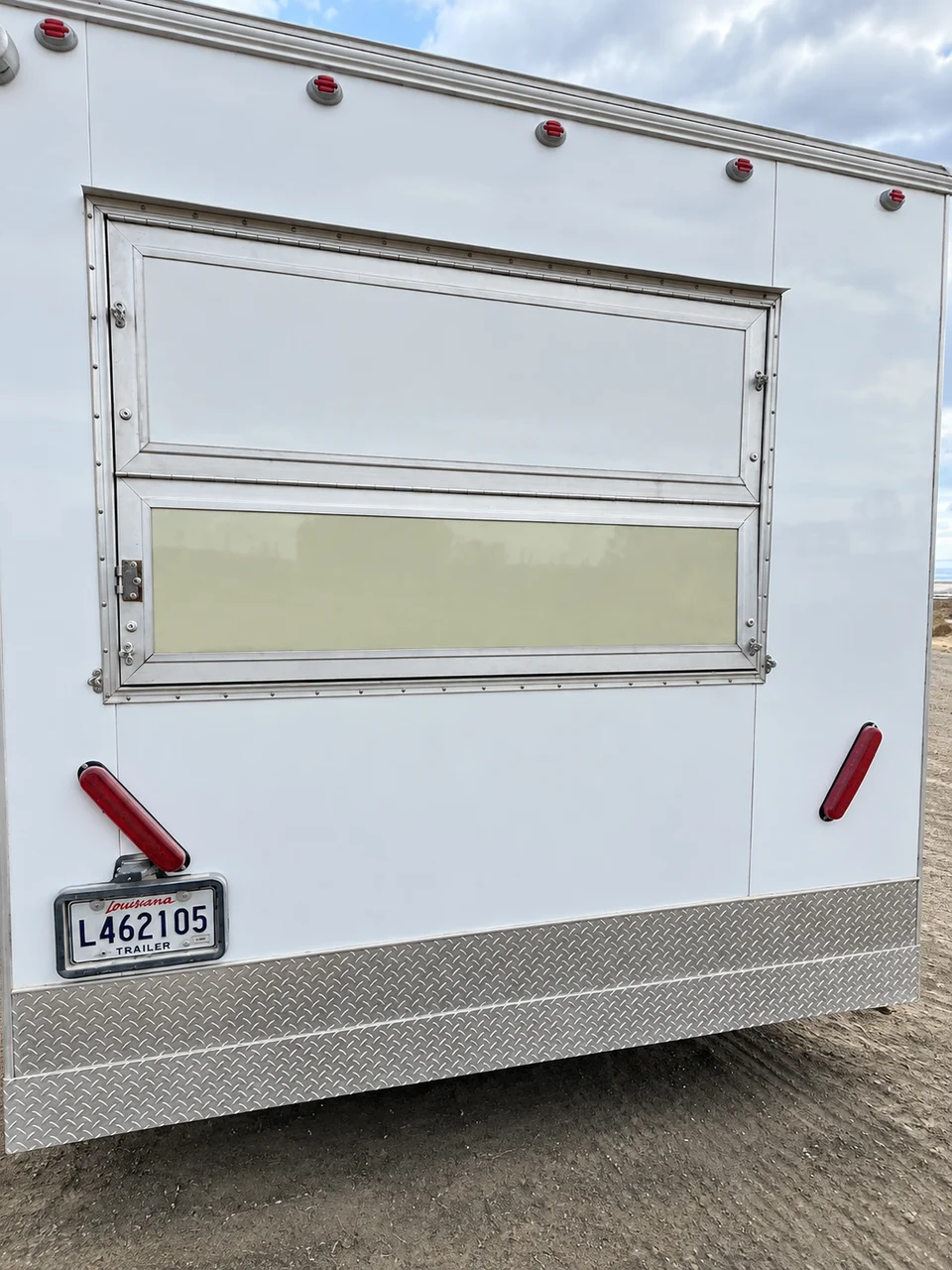
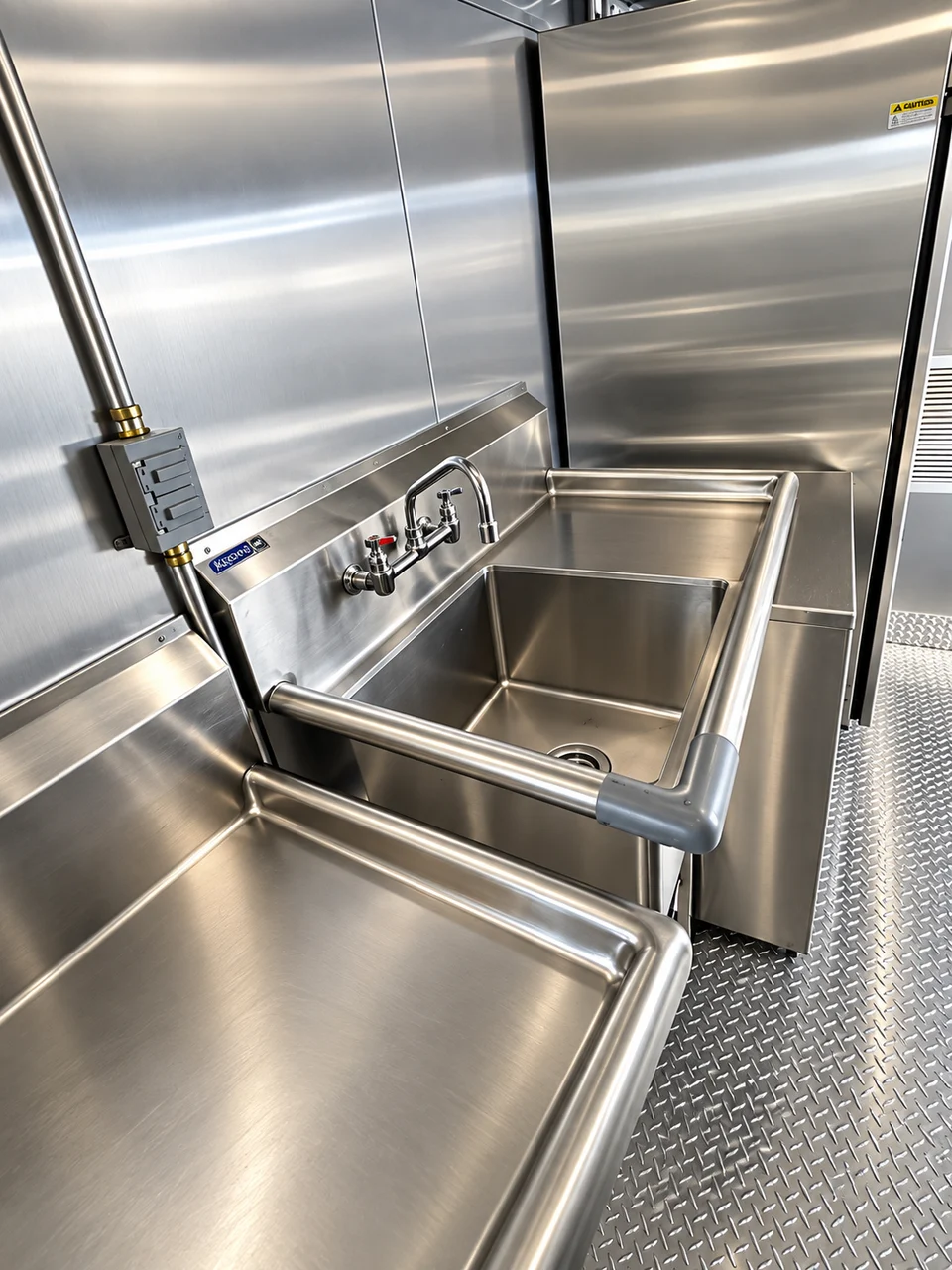
These reviewed photographs rotate through commercial kitchens equipment relevant to planning in Ohio. Use them to discuss the workload, utilities, access, placement, and servicing conditions; confirm the exact unit before committing to a rental.
Meal volume, workflow, and utilities
For temporary food-service operations in Ohio, begin with receiving access and winter readiness. Document meal volume, cooking workflow, utility connections, delivery access, waste handling, and return logistics before selecting the equipment.
Use the site review to answer one family-specific question: Which menu, meal count, production flow, utility connections, and service route must the kitchen support? Record the answer with setup, normal-use, service, and collection dates.
- Menu and preparation methods
- Meals per service period and peak staffing
- Cooking, preparation and serving responsibilities
The commercial kitchens operating brief
A temporary kitchen rental should follow the service you need to keep open. Start with the menu, daily meal periods and the part of your permanent kitchen that will be unavailable. This distinguishes a complete cooking operation from an additional preparation or serving area.
- Menu and preparation methods
- Meals per service period and peak staffing
- Cooking, preparation and serving responsibilities
- Power, fuel, water and wastewater connections
- Receiving, clean storage and returned-dish routes
Connection and responsibility check
Confirm the proposed cooking appliances and their specific power or fuel supply. Review potable water, wastewater, ventilation, heat discharge and connection responsibilities with the appropriate site professionals.
Ohio kitchen delivery planning
Ohio special-hauling permit conditions require the carrier to check route conditions. An ODOT permit does not replace permission from the authorities responsible for local roads or the Ohio Turnpike. The conditions also prohibit loading or unloading within highway limits. Agree an appropriate receiving location before scheduling the delivery and any operational changeover.
Where the kitchen replaces an existing operation, agree which setup and readiness checks must finish before that operation changes over. For added meal capacity, define the first service period and staff handover. Keep equipment unloading separate from occupied meal-service routes.
- Ohio route and jurisdiction review by the carrier
- Receiving and unloading location outside highway limits
- Food receiving and staff circulation plan
- Utility readiness and first meal-service handover
Before the proposed setup is confirmed
For this Ohio enquiry, record the answer to the site question: Who confirms the temporary arrangement is ready for routine use? Identify the person who can verify the site details and the point in the schedule when they must be settled. The final proposal should identify the selected equipment and supporting services.
Questions for this rental
What should my Ohio mobile kitchens brief record about acceptance for routine operation?
Name the person accepting the temporary arrangement and list the readiness checks and unresolved items to review before routine use. Include a measured layout or photographs where useful. For the facility review, also provide menu and preparation methods; meals per service period and peak staffing.
What should the enquiry include?
Provide the exact project address and required operating dates. Describe the menu, preparation methods and meal-service workload. Explain the routes for deliveries, clean storage and returned dishes. These details help define the equipment and service responsibilities for the proposal.
Does a rental automatically include every supporting service?
Kitchen equipment rental does not automatically include cooks, catering, food supplies, daily sanitation or operating approvals. Define these responsibilities in the project brief.