
South Carolina laundry facilities equipment planning views
These reviewed photographs rotate through laundry facilities equipment relevant to planning in South Carolina. Use them to discuss the workload, utilities, access, placement, and servicing conditions; confirm the exact unit before committing to a rental.
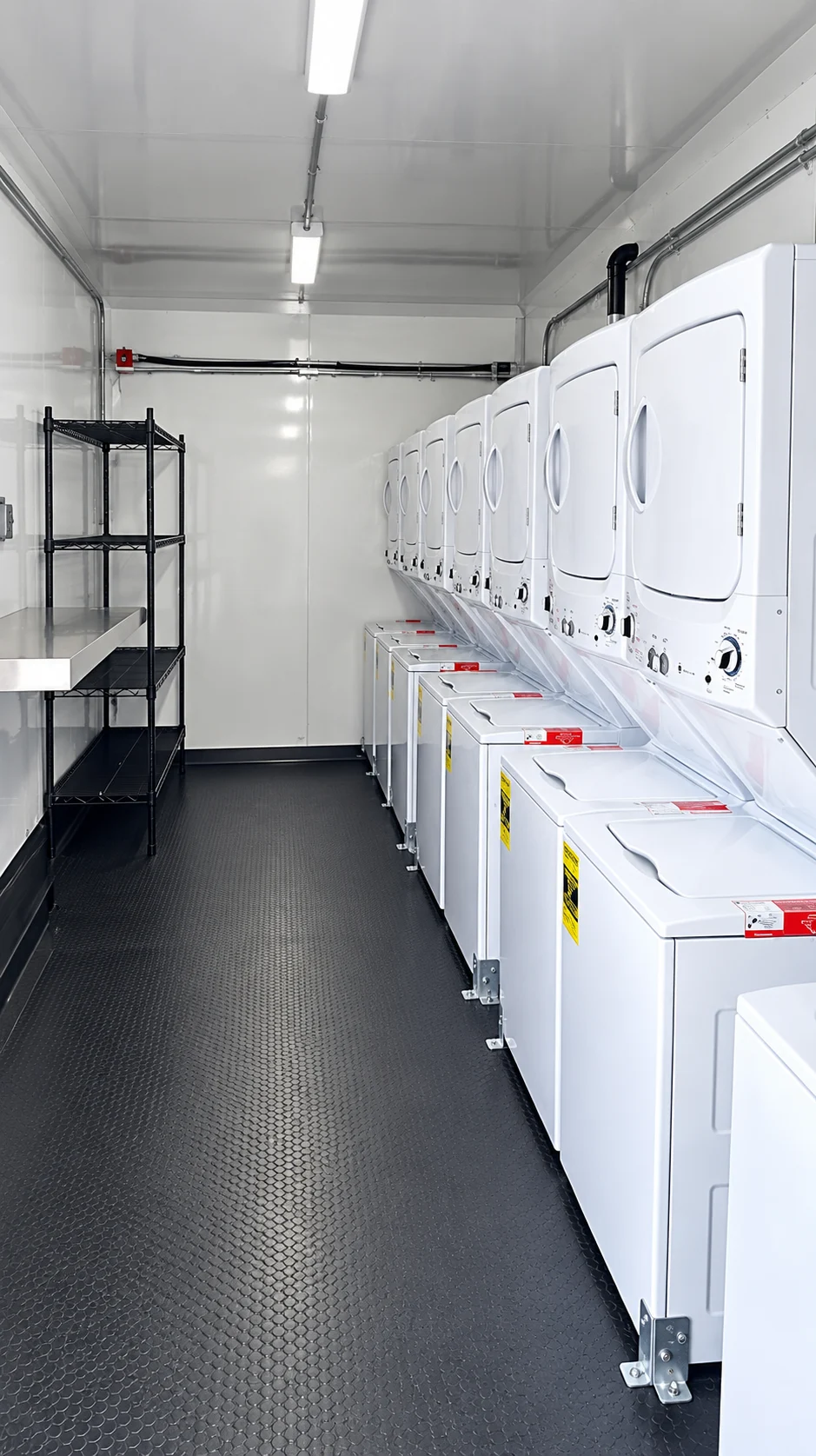
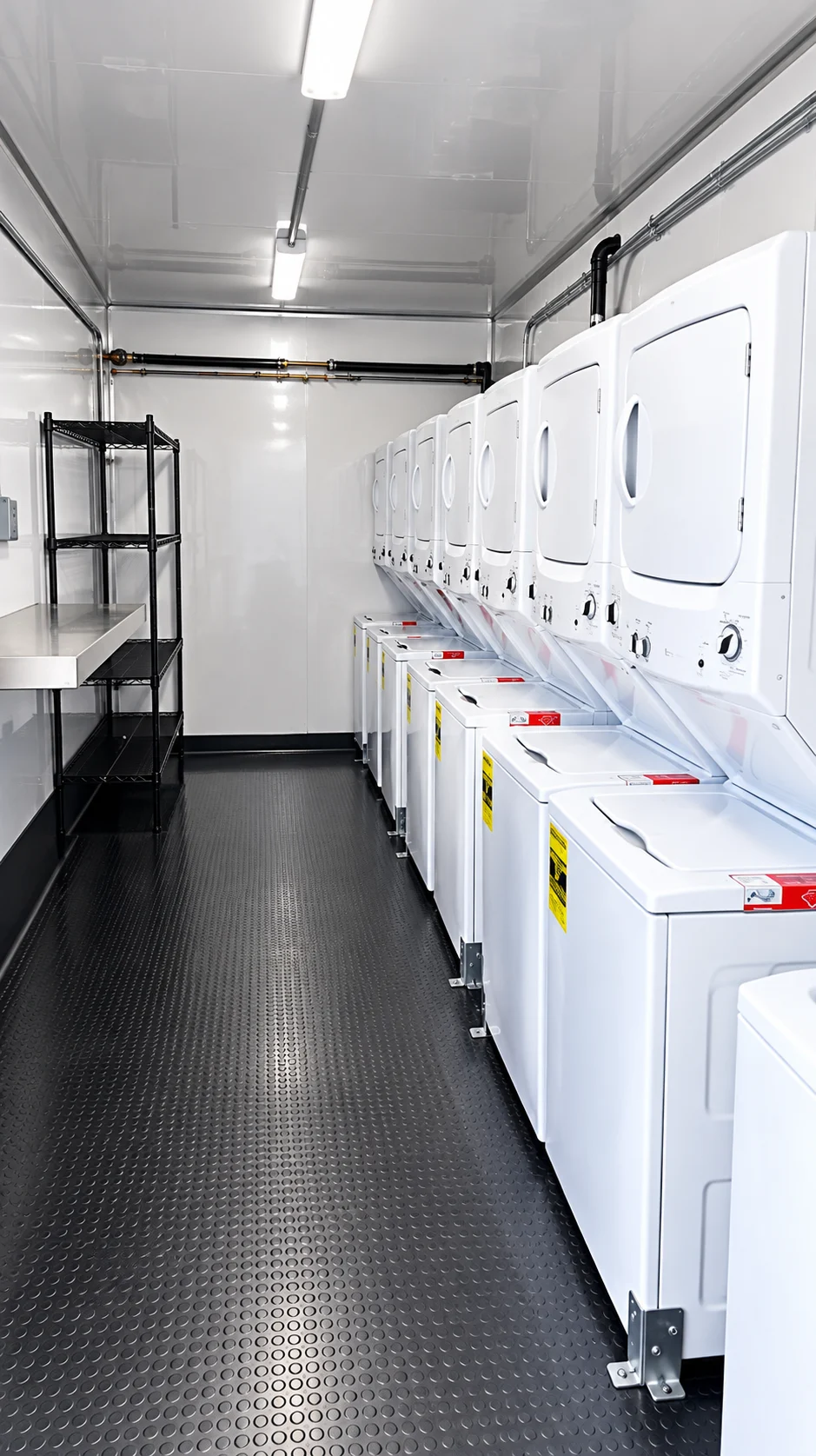
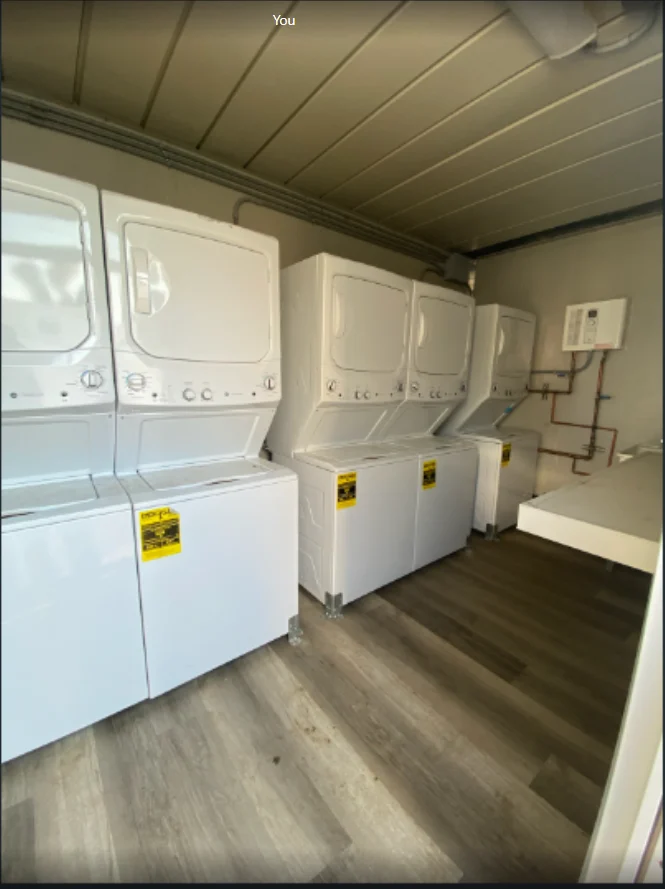
Linen volume and clean-to-used flow
For workforce laundry operations in South Carolina, begin with heat and coastal storm planning. Document linen volume, clean and used-textile routes, water supply, drainage, replenishment, and return logistics before selecting the trailer.
Use the site review to answer one family-specific question: Which linen volume, used-to-clean route, water supply, drainage point, and replenishment schedule must the laundry support? Record the answer with setup, normal-use, service, and collection dates.
- Textile type and approximate daily load
- Collection and return schedule
- Sorting, washing, drying and storage workflow
The laundry facilities operating brief
Build a laundry rental brief around the material being washed, the daily load and the return time you need. Ordinary clothing, kitchen textiles and specialist workwear should not be treated as identical workloads.
- Textile type and approximate daily load
- Collection and return schedule
- Sorting, washing, drying and storage workflow
- Water, drain, power and ventilation needs
- Operators, consumables and machine-cleaning responsibilities
Connection and responsibility check
Ask for the actual washer, dryer, water, drainage and ventilation requirements. Check the proposed installation with the site team and identify who maintains the connections during use.
Before the proposed setup is confirmed
For this South Carolina enquiry, record the answer to the site question: Which other activities affect the installation and removal dates? Identify the person who can verify the site details and the point in the schedule when they must be settled. The final proposal should identify the selected equipment and supporting services.
South Carolina laundry installation planning
South Carolina DOT states that its Oversize/Overweight Permit Office issues permits for loads and mobile homes exceeding the state's legal dimensions. SCDOT's movement guidelines make the signed permit and its conditions part of the authorized move. Ask the carrier to confirm the loaded configuration, permit, route and current conditions before arrival.
Plan separate areas for incoming used textiles and cleaned loads around the proposed laundry equipment. Have the site team check the actual water, drainage, power and any ventilation requirements of the selected configuration. Coordinate installation with the intended wash schedule rather than treating arrival as the start of usable capacity.
- South Carolina OS/OW permit need and loaded configuration reviewed
- Signed permit route and current movement conditions checked
- Used-textile and clean-load handling areas
- Configuration-specific utility review before washing starts
Questions for this rental
What should my South Carolina laundry brief record about installation and removal dependencies?
List adjacent work and other activities that affect installation or removal, including dependencies and the contact who controls each date. Include a measured layout or photographs where useful. For the facility review, also provide textile type and approximate daily load; collection and return schedule.
What should the enquiry include?
Provide the exact project address and required operating dates. Describe the textile types and approximate daily laundry load. Identify who will operate the machines, provide consumables and handle machine cleaning. These details help define the equipment and service responsibilities for the proposal.
Can general rental laundry equipment be assumed suitable for specialist or contaminated textiles?
A general laundry rental must not be assumed suitable for healthcare linen, hazardous contamination or specialist protective clothing without a separately verified process and specification.