
Tennessee workforce housing equipment planning views
These reviewed photographs rotate through workforce housing equipment relevant to planning in Tennessee. Use them to discuss the workload, utilities, access, placement, and servicing conditions; confirm the exact unit before committing to a rental.
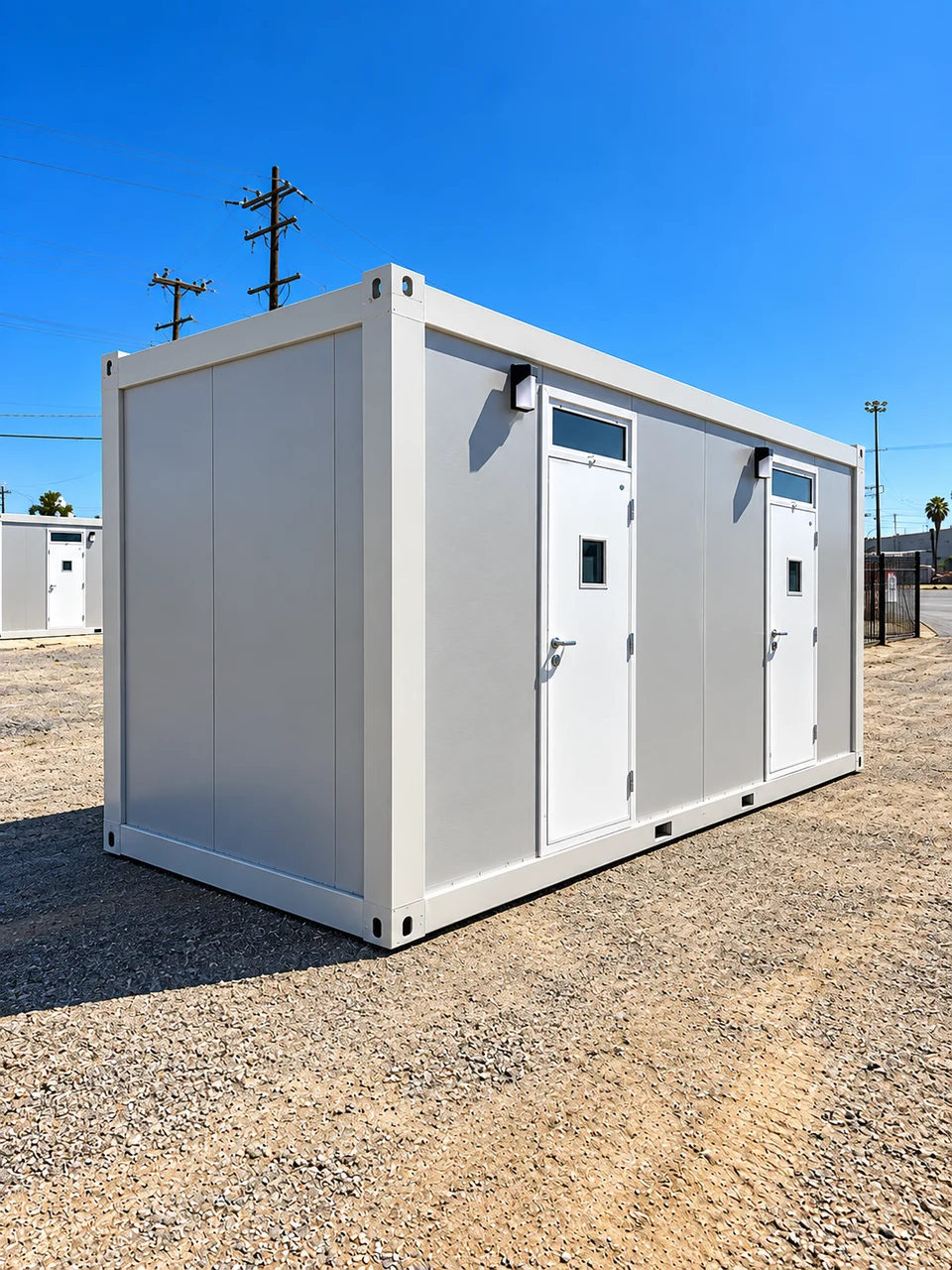
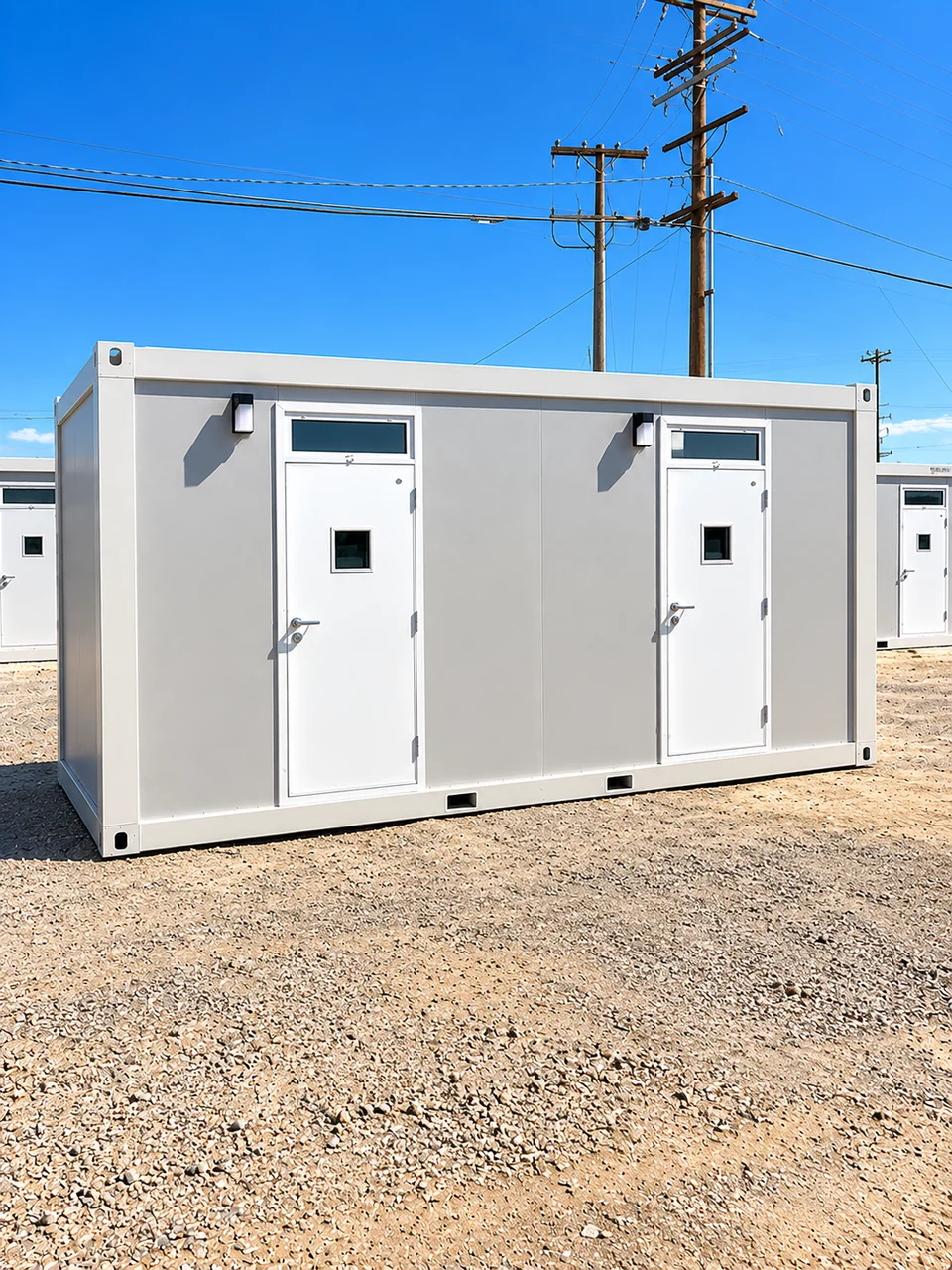
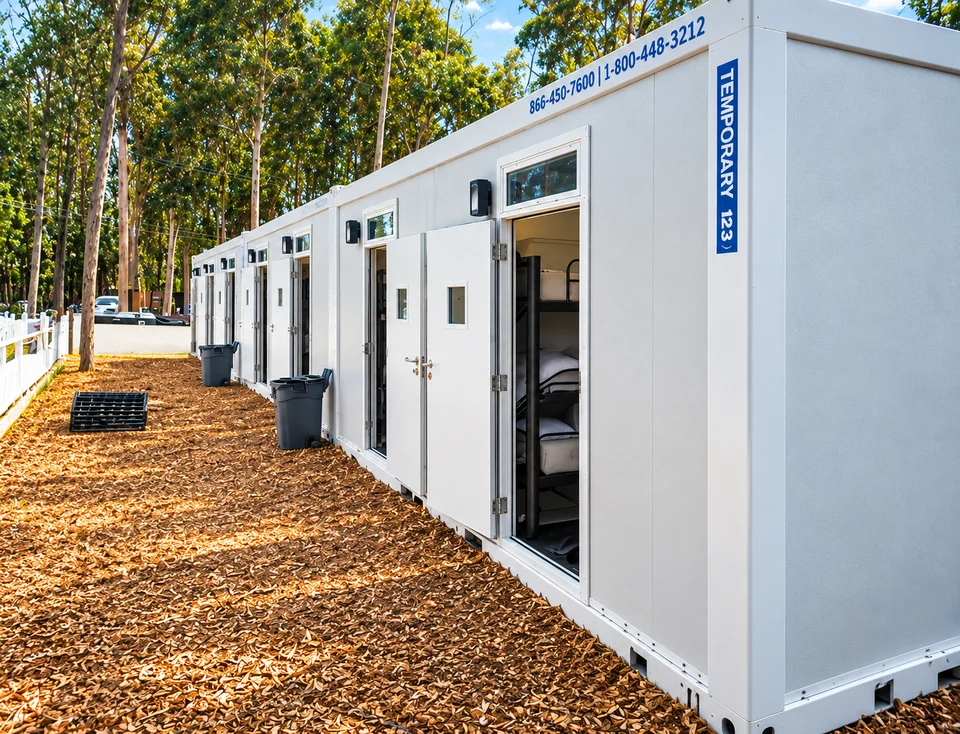
Occupancy, utilities, and camp support
For remote workforce accommodations in Tennessee, begin with grade, access, and utility routing. Document occupancy by phase, sleeping and welfare functions, utilities, access, camp support, and return logistics before selecting the facility.
Use the site review to answer one family-specific question: Which project phase, occupancy level, welfare functions, utility connections, and support route must the workforce housing support? Record the answer with setup, normal-use, service, and collection dates.
- Staffing phases and overnight occupancy
- Sleeping, food service and welfare functions
- Site access and delivery sequence
The workforce housing operating brief
A workforce housing rental should follow the project’s staffing plan from mobilization through demobilization. Describe how many people stay overnight, how crews rotate and which facilities are already available near the work site.
- Staffing phases and overnight occupancy
- Sleeping, food service and welfare functions
- Site access and delivery sequence
- Utility distribution and regular replenishment
- Management, staffing and maintenance scope
Connection and responsibility check
Create a coordinated utility schedule for the proposed facilities, then assign responsibility for supply, connections, routine checks and emergency response. Confirm site feasibility before fixing the layout.
Before the proposed setup is confirmed
For this Tennessee enquiry, record the answer to the site question: Which utility changes could affect the facility after initial installation? Identify the person who can verify the site details and the point in the schedule when they must be settled. The final proposal should identify the selected equipment and supporting services.
Tennessee housing component arrivals planning
Tennessee DOT states that a single-trip or annual permit must be obtained before an oversize or overweight load travels on Tennessee roadways. TDOT also publishes route maps and restrictions for interstate and state-route travel. Ask the carrier to confirm the loaded configuration, TNTRIPS permit, approved route and current restrictions before arrival.
List the proposed housing components and their receiving points instead of relying on one project address. Coordinate arrivals with the readiness of the agreed sleeping, sanitation and meal-service arrangements. Identify who manages changes to the layout and when each accommodation area may open to occupants.
- Tennessee OS/OW permit need and loaded configuration reviewed
- TNTRIPS permit route and current TDOT restrictions checked
- Component-specific receiving points and sequence
- Occupancy schedule tied to agreed supporting facilities
Questions for this rental
What should my Tennessee workforce housing brief record about utility changes after installation?
Record planned utility shutdowns, changed connections or supply limits and identify who reviews their effect on the installed facility. Include a measured layout or photographs where useful. For the facility review, also provide staffing phases and overnight occupancy; sleeping, food service and welfare functions.
What should the enquiry include?
Provide the exact project address and required operating dates. Describe staffing phases and overnight occupancy. Explain the camp-management, staffing and maintenance services you need included in the proposal. These details help define the equipment and service responsibilities for the proposal.
Does a rental automatically include every supporting service?
A workforce camp description does not prove that transport, security, cooks, housekeeping or all supporting utilities are included. Establish each service line in the written scope.