
Wisconsin dishwashing equipment planning views
These reviewed photographs rotate through dishwashing equipment relevant to planning in Wisconsin. Use them to discuss the workload, utilities, access, placement, and servicing conditions; confirm the exact unit before committing to a rental.
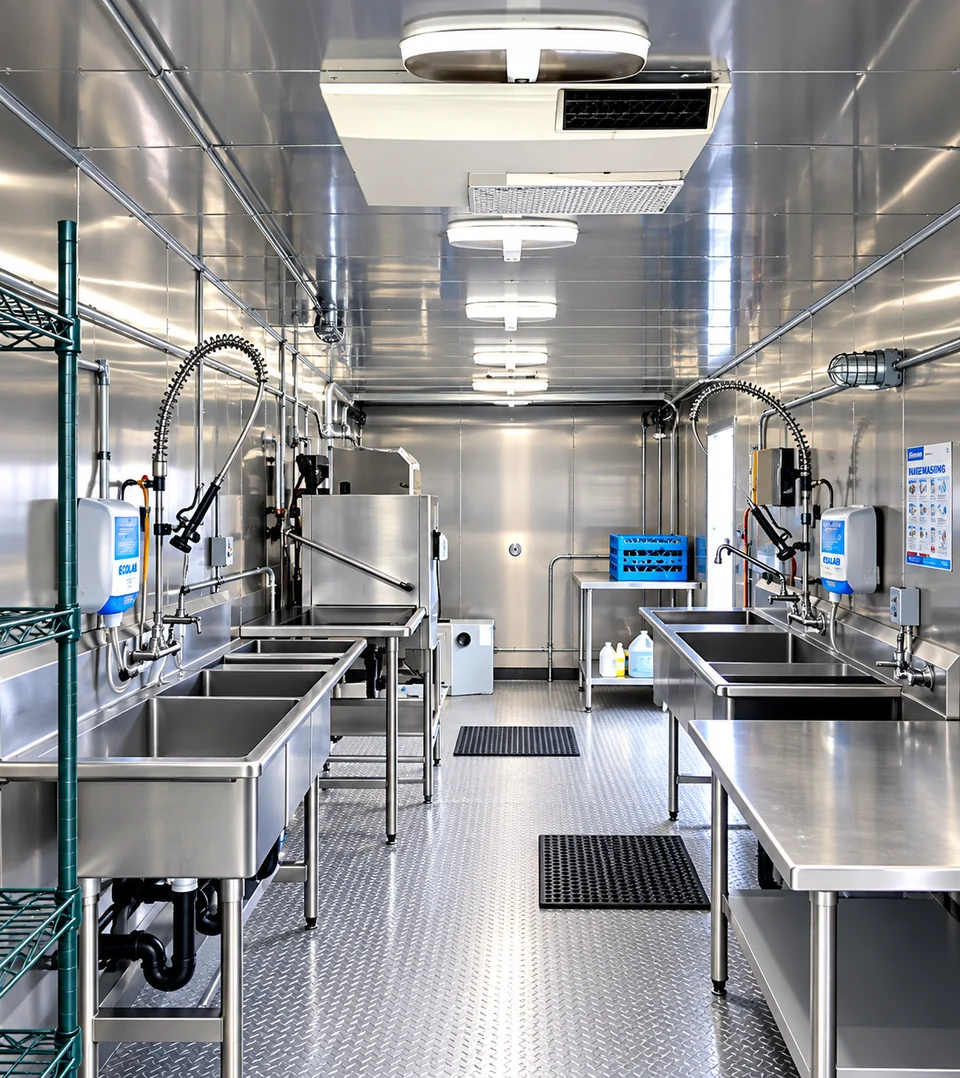
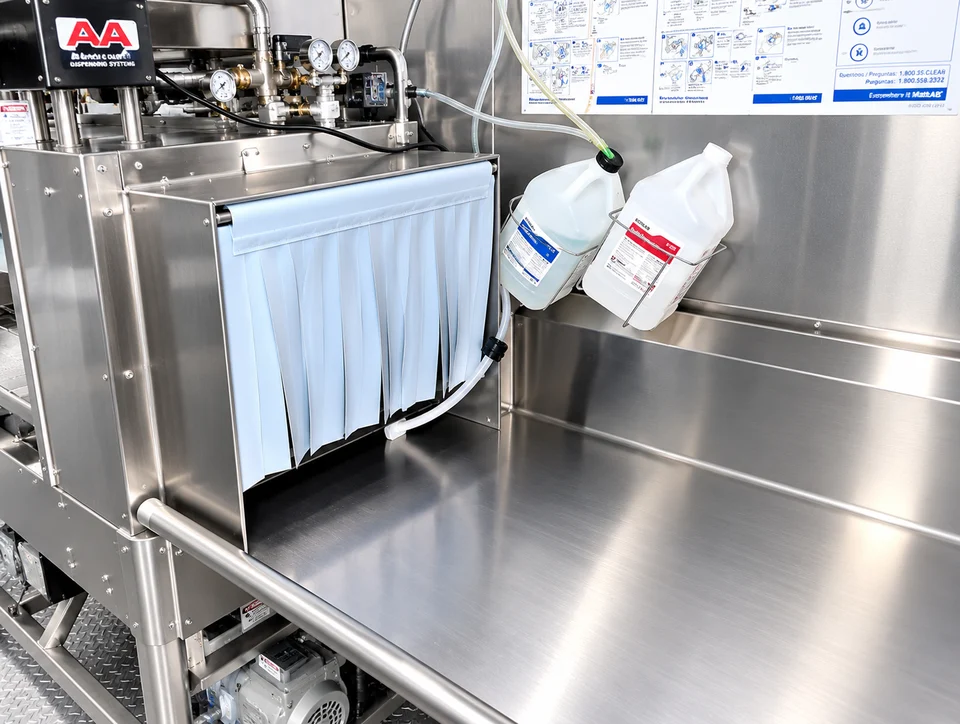
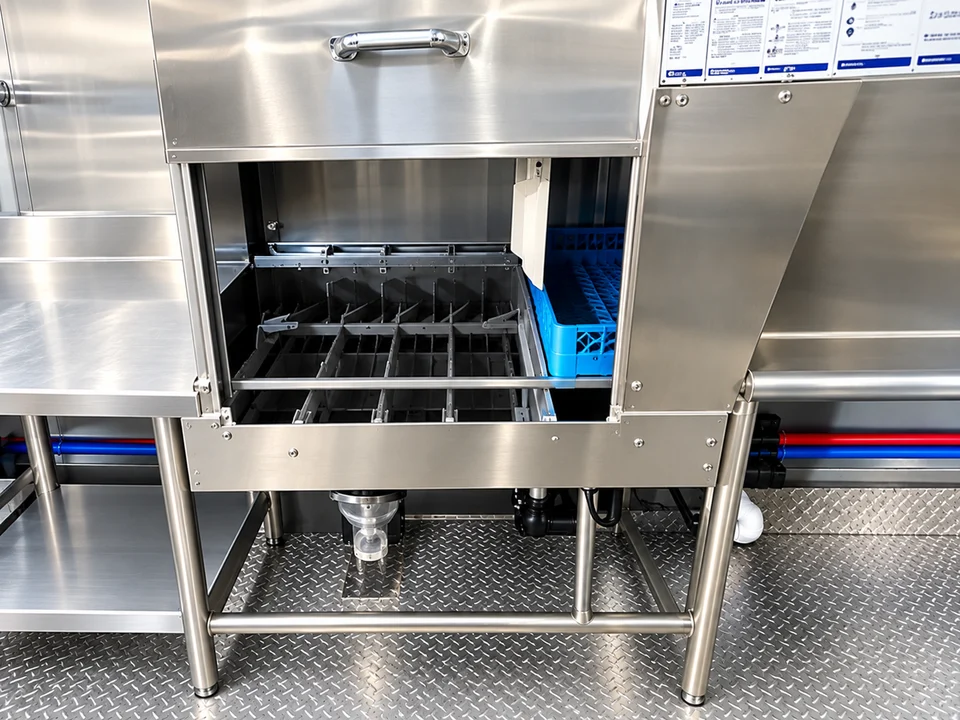
Rack volume and clean-to-used flow
For temporary warewashing operations in Wisconsin, begin with freeze protection and winter access. Document rack volume, clean and used-item routes, water supply, drainage, chemical storage, and return logistics before selecting the container.
Use the site review to answer one family-specific question: Which rack volume, dirty-to-clean route, water supply, drainage point, and chemical controls must the dishwashing facility support? Record the answer with setup, normal-use, service, and collection dates.
- Peak return volume and item dimensions
- Sorting and pre-rinse arrangement
- Dirty-to-clean movement and clean storage
The dishwashing operating brief
Plan a dishwashing rental around the busiest return period rather than the total number of meals alone. The mix of plates, trays, utensils and cookware affects handling, staffing and the space required before and after washing.
- Peak return volume and item dimensions
- Sorting and pre-rinse arrangement
- Dirty-to-clean movement and clean storage
- Water, electrical and drainage requirements
- Detergent, sanitizing supplies and operating staff
Connection and responsibility check
Request the selected machine’s water, heating, electrical and drainage requirements. Check supply conditions and the intended discharge route before deciding where the trailer will be placed.
Wisconsin dishwashing setup planning
WisDOT’s oversize-overweight resources cover permit requirements and conditions and provide bridge-clearance, weight-posting, work-zone and detour information for route planning. The agency also lists escort, lighting, flagging and permitted-hours requirements. Ask the carrier to review the actual loaded configuration and current route resources before fixing the arrival window.
Locate the receiving area without obstructing the daily return of used items. After placement, review water, drainage and power arrangements for the proposed equipment, plus the separation between dirty returns and clean storage. Schedule the first wash service after those interfaces have been checked.
- Bridge clearances, weight postings, work zones and detours checked
- Applicable permit conditions, escort requirements and travel hours reviewed
- Water, drainage and power connection review
- Separate dirty-return and clean-storage paths
Before the proposed setup is confirmed
For this Wisconsin enquiry, record the answer to the site question: What needs to be reassessed if the rental continues into a different season? Identify the person who can verify the site details and the point in the schedule when they must be settled. The final proposal should identify the selected equipment and supporting services.
Questions for this rental
What should my Wisconsin dishwashing brief record about seasonal changes during an extended rental?
Review seasonal changes to weather exposure, access, utilities and operating demand before extending the rental into a different season. Include a measured layout or photographs where useful. For the facility review, also provide peak return volume and item dimensions; sorting and pre-rinse arrangement.
What should the enquiry include?
Provide the exact project address and required operating dates. Describe the peak volume of returned items and their dimensions. Identify who will provide operators, detergent and sanitizing supplies. These details help define the equipment and service responsibilities for the proposal.
Does a dishwashing rental guarantee throughput or sanitizing results?
A dishwashing facility is not a promise of a particular throughput or sanitizing result. Match the selected machine, operating procedure, supplies and staff to the task.